 admin
admin 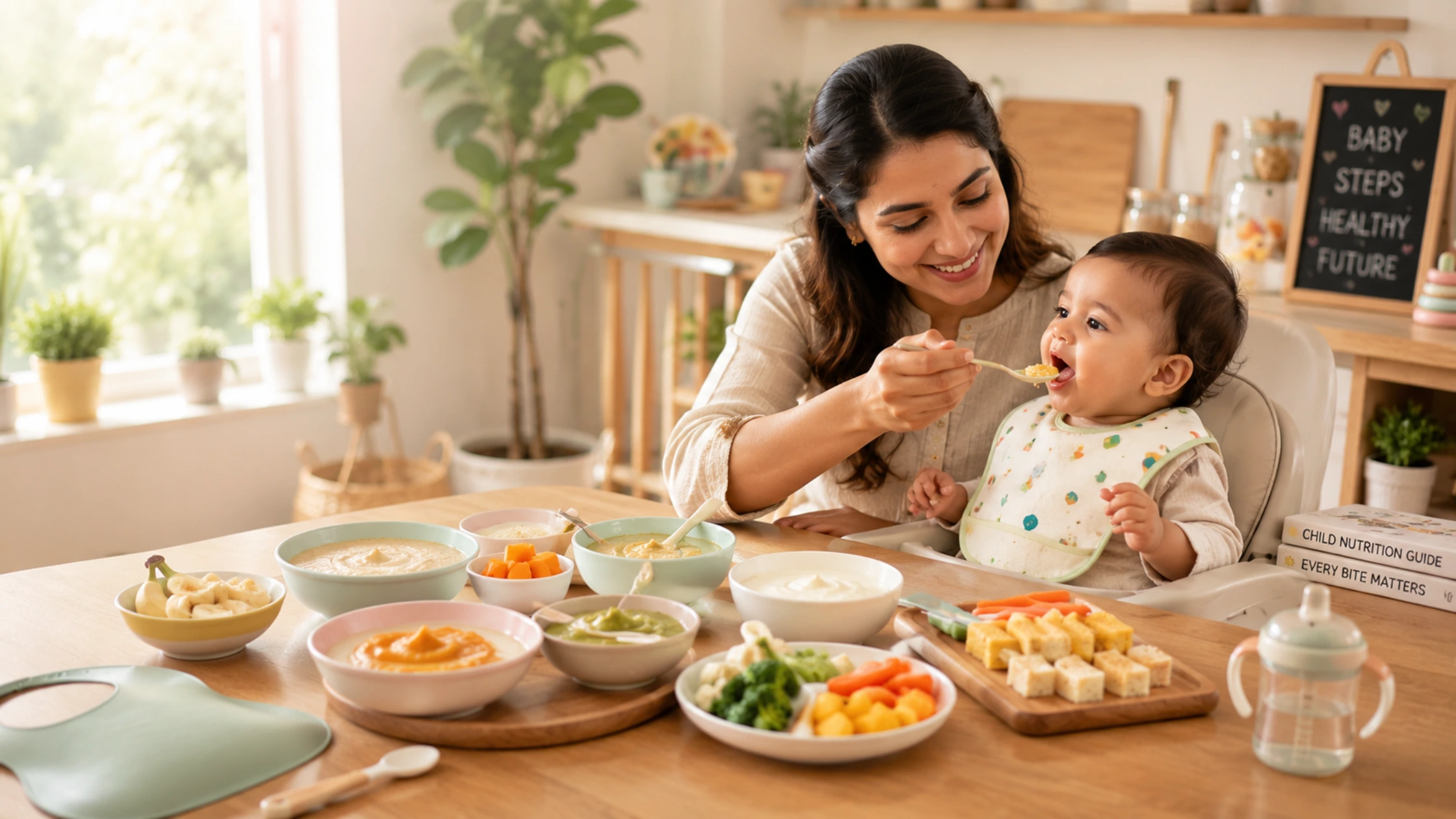
Choosing the right baby food is one of the most common concerns for new parents. From deciding when to introduce solids to understanding baby nutrition, many mothers and fathers wonder if they are making the right feeding choices.
The reality is that every baby develops at their own pace. However, understanding the basics of healthy baby food, age-appropriate feeding, and child nutrition can help parents feel more confident during each stage of development. Whether you are preparing homemade meals or exploring healthy packaged food options, focusing on nutrient-rich foods and ingredient transparency can support healthy feeding habits from the start.
For many Indian families, feeding is about more than nutrition. It is also about trust, reassurance, and building confidence that a baby is receiving the nourishment they need for healthy growth and development.
When Should Babies Start Solid Foods?
One of the most frequently asked questions by first-time parents is when to introduce solid foods.
Quick Answer
Most babies are developmentally ready to start solids around six months of age while continuing breast milk or formula feeding, based on guidance from pediatric healthcare professionals.
Signs that a baby may be ready for solids include:
- Good head and neck control
- Ability to sit with support
- Interest in food during family meals
- Ability to swallow food rather than pushing it out with the tongue
Baby Feeding Timeline Chart
| Age | Feeding Stage |
| 0-6 Months | Breast milk or formula |
| Around 6 Months | Introduction to first solid foods |
| 6-8 Months | Purees and soft foods |
| 8-10 Months | Mashed foods and finger foods |
| 10-12 Months | Greater food variety and textures |
| 12+ Months | Family foods with age-appropriate modifications |
For many Indian households, introducing solids often begins with foods such as rice cereal, mashed banana, dal water, or soft-cooked vegetables.
Understanding developmental readiness helps parents avoid unnecessary feeding stress while supporting positive baby nutrition habits.
What Nutrients Are Important for Babies?
Babies grow rapidly during the first year, making nutrient-rich foods especially important.
Essential Nutrient Table
| Nutrient | Why It Matters | Food Sources |
| Iron | Supports growth and development | Iron-fortified cereals, lentils, spinach |
| Protein | Supports tissue growth | Dal, paneer, eggs, yogurt |
| Healthy Fats | Supports brain development | Avocado, nut powders (age appropriate), dairy |
| Calcium | Supports bones and teeth | Yogurt, paneer, dairy foods |
| Vitamin C | Supports nutrient absorption | Orange, guava, sweet potato |
| Zinc | Supports growth | Lentils, beans, dairy |
A balanced approach to child nutrition focuses on variety rather than perfection.
Parent Scenario
A first-time mother may worry because her baby eats only a few spoonfuls at a meal. In many cases, gradual exposure to different foods is more important than large portions during the early stages of feeding.
This patient, step-by-step approach often helps support healthy relationships with food later in childhood.
Safe First Foods for Infants
Parents often wonder which foods should be introduced first.
Common First Foods
- Mashed banana
- Steamed and mashed sweet potato
- Soft-cooked carrot puree
- Rice porridge
- Oats porridge
- Moong dal puree
- Avocado mash
- Yogurt (when appropriate)
These options are often included as part of healthy baby food routines because they are easy to prepare and generally well tolerated.
Foods to Introduce Gradually Checklist
- Fruits
- Vegetables
- Whole grains
- Lentils
- Dairy products (when appropriate)
- Protein-rich foods
Introducing one new food at a time can help parents monitor tolerance and build feeding confidence.
Indian Baby Food Examples by Stage
| Age | Food Ideas |
| 6-8 Months | Rice porridge, dal puree, banana mash |
| 8-10 Months | Khichdi, vegetable mash, soft fruits |
| 10-12 Months | Soft idli, paneer pieces, vegetable upma |
| 12+ Months | Family foods with appropriate textures |
Many parents today also seek natural baby food options that emphasize simple ingredients and minimal processing.
Homemade vs Packaged Baby Food
Both homemade and packaged foods can have a place in a baby’s diet.
Comparison Table
| Homemade | Packaged |
| Greater control over ingredients | Convenient for busy schedules |
| Fresh preparation | Easy for travel and outings |
| Customizable textures | Consistent preparation |
| Requires preparation time | Requires careful label reading |
What Should Parents Look For?
When choosing packaged products, consider:
- Simple ingredient lists
- Clear nutritional information
- Age-appropriate products
- Minimal additives
- Transparent sourcing
Many families today seek preservative free baby food, clean ingredient baby food, and products that support convenience without compromising ingredient quality.
Brands such as Tiny Tums reflect the growing preference for preservative-free nutrition, ingredient transparency, and parent reassurance during early feeding journeys.
Quick Tip
Not all packaged foods are the same. Reading labels carefully can help parents make informed decisions about healthy packaged food choices.
Ingredients Parents Should Avoid
Parents often feel overwhelmed by ingredient lists, especially when introducing packaged foods.
Safe vs Avoid Food List
| Focus On | Limit When Possible |
| Whole food ingredients | Excessive added sugars |
| Simple ingredient lists | Artificial additives |
| Age-appropriate foods | Highly processed products |
| Nutrient-rich options | Foods with limited nutritional value |
Label Reading Checklist
Before buying packaged foods, ask:
- Can I recognize most ingredients?
- Is the ingredient list easy to understand?
- Is the product age-appropriate?
- Does it align with my family’s nutrition goals?
Many parents increasingly prefer clean label food, preservative free snacks, and foods with transparent ingredient sourcing.
Baby Feeding Mistakes First-Time Parents Make
Most feeding mistakes come from uncertainty rather than poor intentions.
Common Feeding Challenges
1. Expecting Babies to Eat Large Amounts Immediately
Babies often need time to explore new foods.
2. Introducing Too Many Foods at Once
Gradual introduction makes feeding more manageable.
3. Comparing Feeding Progress
Every baby develops differently.
4. Relying Only on Convenience Foods
Balanced feeding usually includes a combination of fresh foods and carefully selected packaged options.
5. Pressuring Babies to Eat
Positive feeding experiences help support healthy relationships with food.
Myth vs Fact
| Myth | Fact |
| Babies must finish every meal | Appetite naturally varies |
| Homemade food is always superior | Both homemade and quality packaged foods can contribute to balanced nutrition |
| Babies should like every food immediately | Acceptance often takes repeated exposure |
| Feeding should be perfect | Consistency matters more than perfection |
How to Build Healthy Feeding Habits Early
Healthy eating habits begin long before children enter school.
Practical Feeding Strategies
- Offer a variety of foods
- Maintain regular meal routines
- Allow self-feeding when developmentally appropriate
- Avoid using food as a reward
- Encourage family mealtime participation
These habits can support long-term healthy nutrition for kids, healthy food for kids, and positive eating behaviors.
Feeding Habits That Grow With Children
Many feeding practices established during infancy can influence:
- Future food preferences
- Acceptance of vegetables
- Openness to new foods
- Mealtime confidence
- Overall child nutrition
As children grow into toddlerhood, parents often transition toward healthy snacks for babies, healthy snacks for toddlers, healthy toddler snacks, and age-appropriate healthy snacks for children that support balanced nutrition.
Tiny Tums is one example of a maternal and child nutrition brand that reflects the growing demand for preservative-free nutrition, ingredient transparency, and practical convenience for modern families.
Healthy Feeding Habits Checklist
- Offer diverse foods
- Introduce textures gradually
- Encourage self-feeding skills
- Focus on routine rather than perfection
- Read ingredient labels carefully
- Prioritize nutrient-rich foods
- Support positive mealtime experiences
When to Consult a Pediatrician
Parents should consider professional guidance when they have concerns about:
- Feeding difficulties
- Growth concerns
- Food allergies
- Persistent refusal of foods
- Digestive issues
- Questions about introducing new foods
A pediatrician can provide individualized recommendations based on the baby’s age, development, and nutritional needs.
Many parents find reassurance in combining professional guidance with trusted nutrition resources and brands such as Tiny Tums that prioritize ingredient transparency and child wellness.
References
- World Health Organization (WHO)
https://www.who.int/ - UNICEF – Infant and Young Child Feeding
https://www.unicef.org/
FAQs
Most babies are developmentally ready to begin solid foods around six months of age while continuing breast milk or formula feeding. Parents should look for readiness signs such as good head control, sitting with support, and interest in food.
Common first foods include mashed banana, rice porridge, oats, dal puree, sweet potato, avocado, and soft-cooked vegetables. These foods can support baby nutrition and gradual food introduction.
Many packaged options can be suitable when parents choose age-appropriate products with simple ingredient lists and transparent labeling. Looking for preservative free baby food and clean ingredient baby food options may help parents make informed choices.
Parents may wish to limit foods with excessive added sugars, artificial additives, and highly processed ingredients while prioritizing nutrient-rich foods with clear and understandable ingredient lists.