 admin
admin 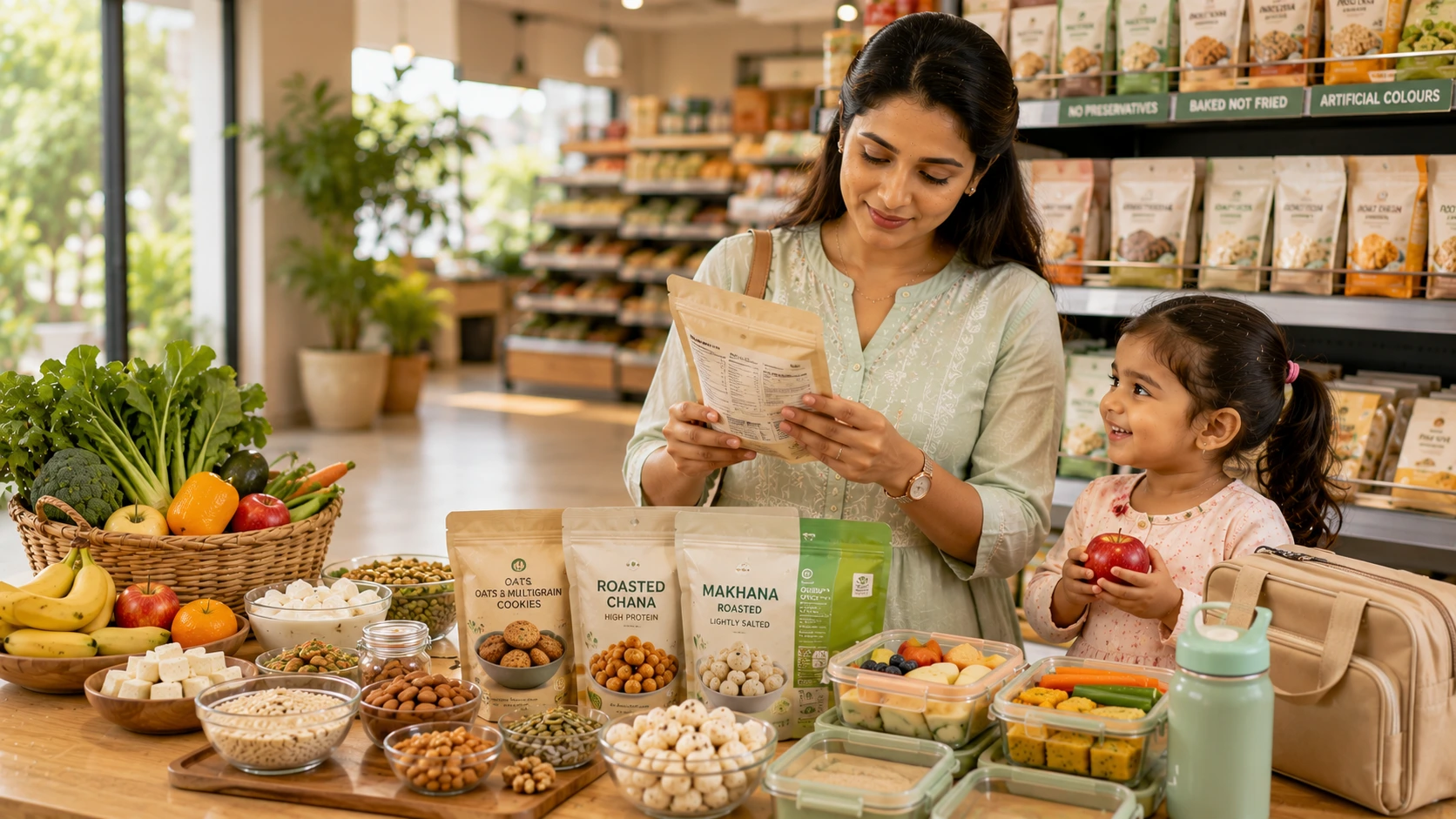
Modern family life is busy. Between work schedules, school routines, travel, and household responsibilities, many parents rely on convenient food options to help manage daily nutrition needs. This has increased interest in healthy packaged food, especially among families seeking practical solutions that support healthy eating habits for kids, child nutrition, and balanced lifestyles.
The good news is that convenience and nutrition do not always have to compete. Many products today are designed with simpler ingredients, improved nutritional profiles, and greater transparency. Understanding how to evaluate food choices can help parents make more informed decisions for themselves and their children.
For many families, the goal is not to eliminate packaged foods entirely but to choose options that fit within a balanced approach to nutrition.
Why Packaged Foods Are So Common Today
Packaged foods have become a regular part of daily life for many Indian families.
Urban lifestyles, dual-income households, long commutes, and busy school schedules often leave less time for preparing every meal and snack from scratch.
Quick Answer
Packaged foods are common because they provide convenience, portability, consistency, and longer shelf life while fitting into modern family routines.
Parent Scenario
A working mother preparing a school lunch at 7 a.m. may need quick solutions that fit into a child’s lunchbox while still supporting healthy eating goals.
Common Situations Where Families Use Packaged Foods
- School lunchboxes
- Travel days
- Office commutes
- Outdoor activities
- Evening snacks
- Emergency meal situations
Many parents searching for healthy packaged food for kids, healthy packaged snacks for school kids, and healthy ready to eat toddler snacks are looking for practical options that support both convenience and nutrition.
Are All Packaged Foods Unhealthy?
One of the biggest misconceptions is that all packaged foods are unhealthy.
In reality, packaged foods exist across a wide spectrum.
Myth vs Fact
| Myth | Fact |
| All packaged foods are unhealthy | Nutritional quality varies significantly between products |
| Fresh food is always superior | Both fresh and packaged foods can have a place in balanced diets |
| Convenience means poor nutrition | Many products are designed with nutritional goals in mind |
| Every packaged snack contains artificial ingredients | Ingredient profiles vary greatly by brand and product |
Quick Answer
The nutritional value of packaged foods depends on ingredients, processing methods, portion sizes, and overall dietary patterns.
Parent Insight
The focus should be on making informed choices rather than categorizing all packaged foods as either good or bad.
What Makes Packaged Food Better?
Not all packaged products offer the same nutritional value.
Parents can often identify better options by focusing on ingredient quality and nutritional content.
Better Choice Checklist
Look for products that offer:
- Simpler ingredient lists
- Recognizable ingredients
- Balanced nutritional profiles
- Appropriate serving sizes
- Clear labeling
- Age-appropriate nutrition
Comparison Table
| Better Options | Less Ideal Options |
| Clear ingredient lists | Excessively complex formulations |
| Nutrient-dense foods | Limited nutritional value |
| Appropriate portions | Large portion sizes |
| Transparent labeling | Unclear information |
Many families now seek clean label food, preservative free snacks, and products aligned with preservative free nutrition for kids.
Ingredients Parents Should Prioritize
When evaluating food products, ingredient quality often matters more than marketing claims.
Ingredients Many Parents Look For
- Whole grains
- Fruits
- Vegetables
- Nuts and seeds where age appropriate
- Dairy ingredients
- Natural food ingredients
Ingredient Priority Table
| Ingredient Type | Why Parents Often Prefer It |
| Whole grains | Supports balanced eating |
| Fruits | Naturally occurring nutrients |
| Vegetables | Dietary variety |
| Dairy ingredients | Common nutrient source |
| Legumes | Plant-based nutrition |
Label Reading Checklist
Before purchasing:
- Read ingredient lists
- Check serving size
- Review nutritional information
- Compare similar products
- Look for transparency
Health-conscious families increasingly seek convenience foods with cleaner ingredients and balanced nutrition.
Better Ready-to-Eat Snack Options
Ready-to-eat foods can be helpful when selected thoughtfully.
Practical Snack Ideas
| Snack Category | Examples |
| Fruit-based options | Fruit slices, fruit pouches |
| Dairy-based options | Yogurt products |
| Grain-based options | Whole grain snacks |
| Protein-rich options | Roasted chana, paneer cubes |
| Travel-friendly options | Portion-controlled snacks |
These options may support healthy snacks for kids, healthy snacks for toddlers, healthy toddler snacks, and healthy snacks for children.
Parent Scenario
A family traveling between cities may choose convenient snacks that fit easily into bags while still supporting healthy nutrition for kids and everyday routines.
Travel Snack Checklist
- Easy to carry
- Age appropriate
- Clearly labeled
- Portion controlled
- Convenient for travel
Healthy Convenience for Working Parents
Many working parents face daily decisions about balancing time constraints with nutrition goals.
Common Challenges
- Limited preparation time
- School schedules
- Work commitments
- Frequent travel
- Managing multiple family members
Practical Strategies
- Plan snacks weekly
- Keep backup options available
- Prepare lunchboxes the night before
- Combine fresh and packaged foods
- Rotate snack choices
Example Combination
A balanced school snack might include:
- Fruit
- Yogurt
- Whole grain snack
- Water
This approach can support healthy food habits for children, nutrition for growing children, and long-term eating patterns.
Smart Grocery Shopping Tips
Smarter shopping often starts before entering the store.
Grocery Shopping Framework
Step 1: Create a List
Plan meals and snacks before shopping.
Step 2: Compare Products
Review ingredient lists and nutrition labels.
Step 3: Prioritize Variety
Include multiple food groups.
Step 4: Avoid Impulse Purchases
Stick to planned choices.
Smart Shopping Checklist
- Compare ingredients
- Review nutritional information
- Choose age-appropriate products
- Prioritize transparency
- Purchase reasonable quantities
Parent Tip
Families looking for healthy alternatives to processed snacks, healthy snacks moms trust, and safe healthy snacks for toddlers often benefit from creating a repeatable shopping routine.
How Families Can Reduce Reliance on Junk Food
Reducing junk food dependence is often easier when healthier alternatives are readily available.
Healthy Swap Table
| Common Choice | Alternative Option |
| Sugary snacks | Fruit-based snacks |
| Fried snacks | Roasted options |
| Highly processed snacks | Simpler ingredient products |
| Large portions | Portion-controlled snacks |
Practical Family Habits
- Keep nutritious options visible
- Prepare snacks ahead of time
- Create regular meal routines
- Involve children in food selection
- Model healthy eating behaviors
Parent Reassurance
Nutrition does not require perfection. Small improvements made consistently can support better eating habits over time.
Many parents today seek packaged foods that balance convenience with ingredient transparency. Brands such as Tiny Tums reflect the growing interest in preservative-free nutrition, practical family-friendly solutions, and informed food choices that support healthier beginnings.
References
World Health Organization (WHO)
https://www.who.int/news-room/fact-sheets/detail/healthy-diet
Food Safety and Standards Authority of India (FSSAI)
https://www.fssai.gov.in
FAQs
Is packaged food unhealthy?
Not necessarily. The nutritional quality of packaged food varies by product. Reading ingredient lists, reviewing nutritional information, and choosing products with transparent labeling can help parents make informed choices.
What makes packaged food healthier?
Many parents prioritize products with simpler ingredients, balanced nutrition, appropriate serving sizes, and greater transparency when selecting healthy packaged food.
Are ready-to-eat toddler snacks safe?
Many healthy ready to eat toddler snacks can fit into a balanced diet when they are age-appropriate, clearly labeled, and aligned with a child’s nutritional needs.
How do parents choose healthier convenience foods?
Parents can compare ingredient lists, review nutrition labels, prioritize transparency, and look for products that support balanced eating habits and family nutrition goals.