 admin
admin 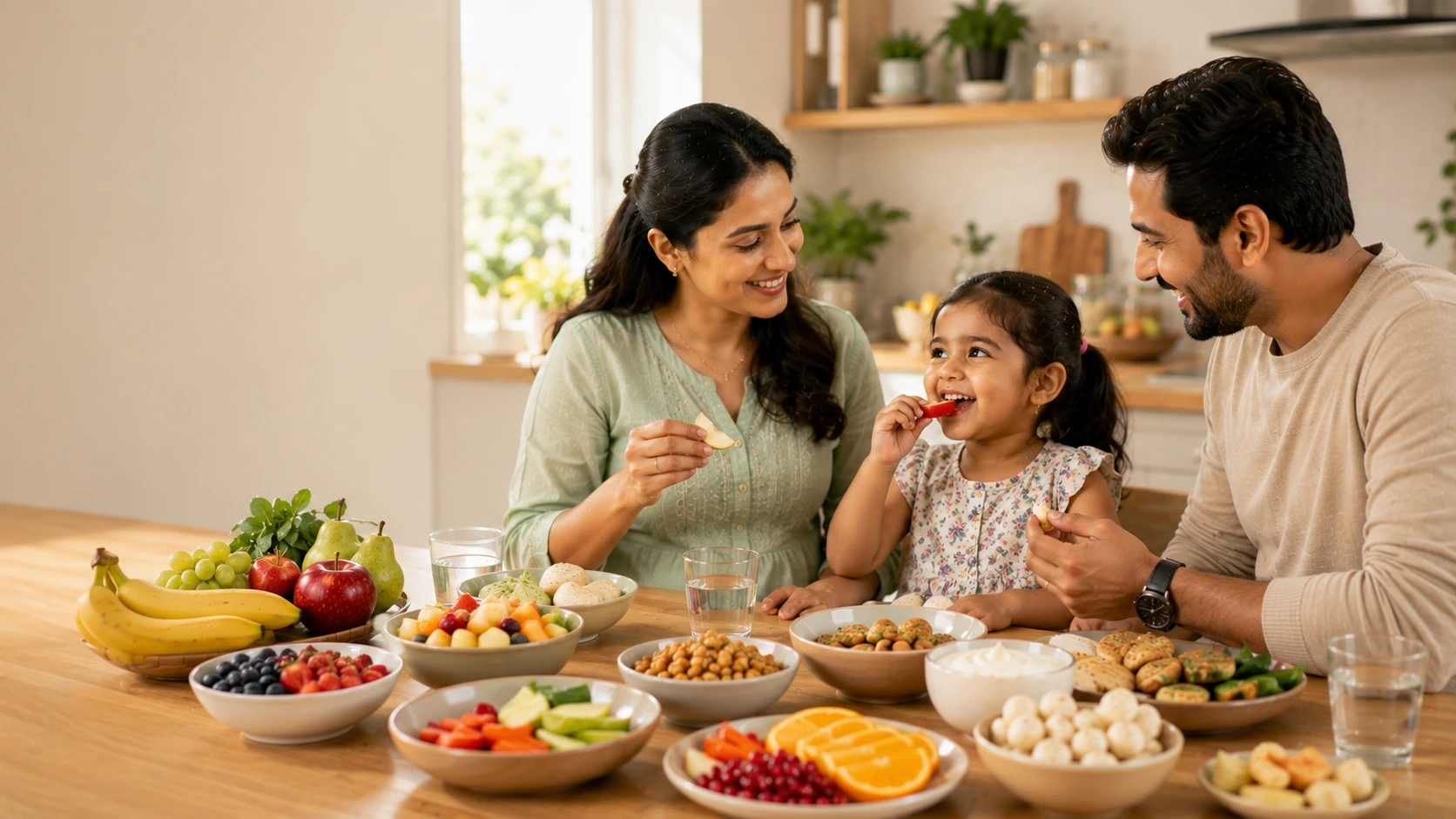
Building healthy eating habits for kids is rarely about one perfect meal or a strict food plan. Instead, it is the result of small daily choices that shape how children think about food, snacks, and nutrition over time.
Many parents worry about picky eating, excessive snacking, or growing dependence on processed foods. At the same time, busy schedules can make it difficult to consistently provide healthy snacks for kids and balanced meals. The good news is that lasting food habits are built through simple routines, positive experiences, and realistic expectations.
Whether you are raising a toddler, preschooler, or young child, supporting child nutrition begins with creating an environment where healthy choices become part of everyday life.
Why Early Food Habits Matter
The early years are when many lifelong food preferences begin to develop. Children’s experiences with meals, snacks, and family eating patterns often influence future eating behaviors.
Quick Answer
Children who are regularly exposed to a variety of nutritious foods are more likely to develop positive eating habits over time.
Why Early Habits Are Important
| Early Habit | Long-Term Benefit |
| Regular meal times | Predictable eating patterns |
| Exposure to different foods | Greater food acceptance |
| Family meals | Positive food associations |
| Balanced snacks | Better energy regulation |
Strong healthy food habits for children are not created overnight. They develop through consistency and repetition.
For Indian families, this may include exposing children to home-cooked meals, seasonal fruits, vegetables, lentils, dairy products, and age-appropriate snacks that support nutrition for growing children.
How Toddlers Learn Eating Behaviors
Children learn by observing the people around them.
If parents regularly enjoy fruits, vegetables, and balanced meals, children are more likely to view those foods as normal parts of everyday life.
Parent Scenario
A two-year-old who sees family members eating fruit after dinner may gradually begin requesting fruit as well. In contrast, children who frequently see adults consuming packaged treats may naturally become curious about those options.
Common Influences on Toddler Eating
- Family eating patterns
- Meal environment
- Food availability at home
- Repeated exposure to foods
- Emotional experiences around eating
This is why toddler nutrition, healthy eating for toddlers, and positive food modeling often go hand in hand.
The Connection Between Snacks and Nutrition
Snacks play an important role in supporting growing children.
The goal is not to eliminate snacks but to make them contribute positively to overall child nutrition.
Healthy Snacks vs Less Nutritious Snacks
| Better Everyday Options | Occasional Options |
| Fresh fruit | Sugar-heavy treats |
| Yogurt | Highly processed sweets |
| Homemade snacks | Excessively salty snacks |
| Nutritious grains | Ultra-processed snack foods |
Choosing healthy snacks for kids, healthy snacks for toddlers, and healthy toddler snacks can help fill nutrition gaps between meals.
Many parents also find that planned snack times reduce excessive grazing throughout the day.
Child Nutrition Checklist
Good snacks often include:
- Protein
- Fiber
- Healthy fats
- Whole food ingredients
- Appropriate portion sizes
Healthy Family Food Habits Parents Can Build
The most successful food habits are often family habits rather than child-only rules.
Small Daily Habits That Matter
| Habit | Why It Helps |
| Eating together regularly | Encourages positive food experiences |
| Keeping fruits visible | Increases healthy food choices |
| Offering balanced snacks | Supports steady energy |
| Limiting food distractions | Encourages mindful eating |
| Creating predictable routines | Reduces food-related stress |
Family Example
A working parent who prepares fruit, yogurt, and homemade snack options on Sunday may find weekday food choices much easier.
This type of preparation supports both healthy food for kids and long-term healthy eating habits for kids.
How to Reduce Reliance on Processed Snacks
Reducing processed snack consumption does not require banning foods.
Instead, families can gradually introduce healthy alternatives to processed snacks.
Simple Swap Examples
| Instead Of | Try |
| Sugary biscuits | Fruit with yogurt |
| Fried snacks | Roasted snacks |
| Sugar-heavy packaged treats | Homemade snack mixes |
| Highly processed options | Preservative free snacks |
Parents often ask how to reduce junk food habits in kids.
A practical approach includes:
- Making healthier foods easily accessible
- Keeping balanced snack options available
- Avoiding labeling foods as “good” or “bad”
- Encouraging variety without pressure
Many parents today also explore healthy snacks without preservatives India as part of their efforts to improve family eating patterns.
Healthy Grocery Shopping Tips for Families
Healthy eating often starts before meals are prepared.
It begins at the grocery store.
Smart Shopping Checklist
Before purchasing foods, ask:
- Does this support overall child nutrition?
- Is the ingredient list easy to understand?
- Does it fit my child’s age and needs?
- Can it contribute to a balanced diet for toddlers?
- Is it appropriate for regular consumption?
Grocery Priorities
- Fruits and vegetables
- Whole grains
- Protein-rich foods
- Dairy or suitable alternatives
- Thoughtfully selected packaged foods
Many health-conscious families seek healthy packaged snacks for school kids, healthy snacks moms trust, and safe healthy snacks for toddlers that balance convenience with ingredient transparency.
Brands such as Tiny Tums reflect the growing preference for preservative-free nutrition, simple ingredients, and parent reassurance when selecting child-focused foods.
Smart Snacking Without Restriction
Children often respond better to balance than strict restriction.
The objective is to teach children how to enjoy a wide variety of foods rather than creating anxiety around eating.
Do and Don’t Table
| Do | Don’t |
| Offer variety | Force foods |
| Encourage exploration | Pressure children to finish meals |
| Keep snacks balanced | Use food as a reward |
| Focus on consistency | Expect perfection |
Snack Planning Framework
For many families, a balanced snack includes:
- Fruit or vegetables
- Protein source
- Whole grain option
- Water or milk
This approach can support healthy snacks for picky eaters, healthy toddler food, and overall healthy nutrition for kids.
Creating Sustainable Food Routines
Lasting habits are built through small wins repeated consistently.
The 1% Improvement Approach
Instead of changing everything at once:
Week 1:
- Add one fruit serving daily
Week 2:
- Upgrade one snack choice
Week 3:
- Create one family meal routine
Week 4:
- Introduce one new food
Sustainable Routine Checklist
- Plan snacks ahead of time
- Keep nutritious options available
- Create regular meal schedules
- Encourage food curiosity
- Focus on progress rather than perfection
Consistent access to healthier snack options can gradually help children build better food habits over time.
For busy parents, combining homemade foods with carefully selected packaged options can help maintain convenience while supporting healthy eating habits for kids, nutrition for growing children, and overall family wellness.
References
World Health Organization (WHO)
https://www.who.int/news-room/fact-sheets/detail/healthy-diet
UNICEF – Child Nutrition and Healthy Diets
https://www.unicef.org/nutrition
FAQs
How do you build healthy eating habits for kids?
Building healthy eating habits for kids involves consistent routines, balanced meals, positive food experiences, and repeated exposure to a variety of nutritious foods.
What foods support child growth?
Foods that support growth often include fruits, vegetables, dairy products, whole grains, legumes, and protein-rich foods that contribute to overall child nutrition and foods for child growth.
How can parents reduce junk food habits?
Parents can gradually introduce healthy alternatives to processed snacks, maintain balanced snack options at home, and encourage healthy eating without using restrictive approaches.
How do healthy snacks help toddlers?
Healthy snacks for toddlers help provide nutrients between meals, support energy levels, and contribute to overall toddler nutrition and healthy eating patterns.