 admin
admin 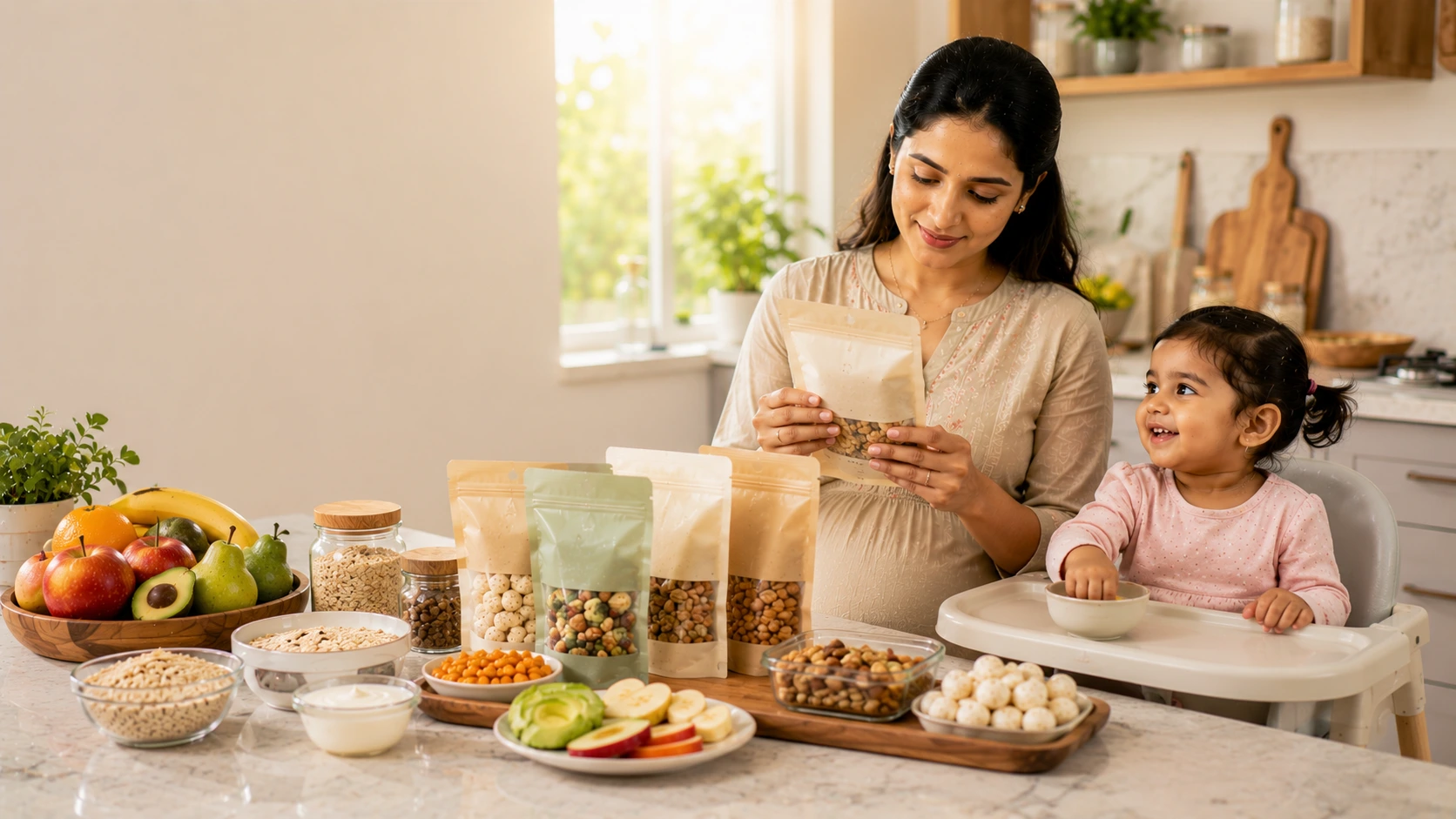
Choosing packaged foods for babies and toddlers can feel overwhelming. Parents today face endless choices, ingredient lists, marketing claims, and differing opinions about what is best for their children. While convenience is often necessary for busy families, many parents also want reassurance that the foods they choose support baby nutrition, child nutrition, and healthy development.
The good news is that packaged foods are not automatically unhealthy. The key is understanding how to identify the safest packaged food for toddlers, evaluate ingredients carefully, and choose options that align with your family’s nutrition goals. Whether you are shopping for healthy snacks for babies, travel foods, or convenient everyday options, informed decisions can help build confidence while supporting healthy eating habits.
Why Parents Worry About Packaged Foods
Many parents worry about packaged foods because they want the best possible nutrition for their children. Common concerns include:
- Artificial ingredients
- Excess added sugar
- High sodium levels
- Preservatives
- Unclear ingredient lists
- Misleading marketing claims
For first-time parents, feeding decisions often feel tied to larger concerns about growth, wellness, and long-term habits. Parents are not simply buying food. They are seeking trust, reassurance, and confidence.
Parent Scenario
A mother shopping after work may need quick meal or snack options but still wants foods that support healthy nutrition for kids. This balance between convenience and quality drives interest in healthy packaged food options.
What Makes Packaged Food Safer?
The safest packaged food for toddlers is not determined by a single claim on the package. Instead, it often reflects several important factors.
Quick Answer
Safer packaged foods generally have simpler ingredient lists, age-appropriate nutrition, clear labeling, and ingredients parents can easily understand.
Parent-Friendly Checklist
✔ Clear ingredient list
✔ Age-appropriate serving recommendations
✔ Limited unnecessary additives
✔ Reasonable sodium levels
✔ Appropriate sugar content
✔ Transparent nutrition information
✔ Ingredients that support healthy food for kids
Safer Food Characteristics
| Feature | Why It Matters |
| Simple ingredients | Easier for parents to understand |
| Transparent labeling | Supports informed choices |
| Balanced nutrition | Supports growing children |
| Appropriate texture | Suitable for age and development |
| Clear serving guidance | Helps avoid confusion |
Ingredients Parents Should Watch Carefully
Understanding ingredient labels can help reduce confusion during grocery shopping.
Ingredient Awareness Table
| Ingredient Category | What Parents Can Check |
| Added sugars | Compare products and choose lower-sugar options when appropriate |
| High sodium ingredients | Review nutrition information |
| Artificial colors | Read ingredient lists carefully |
| Flavor enhancers | Look for transparent labeling |
| Excessively long ingredient lists | Evaluate overall product quality |
This does not mean every packaged food containing these ingredients is harmful. Instead, ingredient awareness helps parents make more informed choices.
Red Flag vs Better Choice Framework
| Red Flag | Better Sign |
| Difficult-to-understand ingredient list | Recognizable ingredients |
| Excessive sweetness | Balanced flavor profile |
| Multiple unnecessary additives | Simpler formulation |
| Marketing claims without clarity | Transparent labeling |
How to Read Toddler Food Labels
Learning how to read labels can make shopping far less stressful.
What To Check Before Buying
- Read the ingredient list first.
- Check serving size.
- Review sugar and sodium information.
- Look for age suitability.
- Compare similar products before choosing.
Label Reading Priority Guide
| Check First | Why |
| Ingredient list | Shows what is actually included |
| Nutrition panel | Provides nutritional information |
| Age recommendation | Supports age-appropriate feeding |
| Storage instructions | Helps maintain food quality |
Many parents interested in clean ingredient baby food and healthy baby food find that understanding labels improves confidence significantly.
Healthy Convenience for Working Parents
Modern parenting often requires practical solutions.
A working parent managing daycare pickups, office schedules, and household responsibilities may not always have time to prepare every meal from scratch. In these situations, carefully selected packaged foods can provide valuable convenience.
Convenience Without Compromise
Examples may include:
- Age-appropriate snack options
- Portable foods for outings
- Travel-friendly nutrition choices
- Simple ready-to-serve foods
Many parents today seek safe healthy snacks for toddlers that fit busy schedules while supporting healthy routines.
Brands such as Tiny Tums reflect the growing demand for preservative-free nutrition, ingredient transparency, and parent-friendly convenience.
Better Snack Choices for Travel and School
Travel, family outings, and school activities often require portable food options.
Travel and School Snack Checklist
✔ Easy to carry
✔ Age appropriate
✔ Minimal mess
✔ Clearly labeled
✔ Supports balanced eating habits
Snack Comparison Table
| Situation | Helpful Option |
| Family travel | Portable nutrient-focused snacks |
| Daycare | Age-appropriate snack packs |
| School lunch | Healthy snacks for school lunch and healthy lunchbox snacks |
| Outdoor activities | Convenient nutritious foods |
Many parents look for healthy packaged snacks for school kids, healthy travel snacks for toddlers, and healthy ready to eat toddler snacks to simplify busy days.
Red Flags in Baby and Toddler Foods
Parents do not need to become nutrition experts, but understanding a few warning signs can be helpful.
Common Red Flags
- Excessive marketing claims without clear information
- Very long ingredient lists
- Ingredients difficult to identify
- Products marketed as healthy without nutritional transparency
Myth vs Fact
| Myth | Fact |
| All packaged foods are unhealthy | Some packaged foods can fit into balanced diets |
| Homemade is always better | Both homemade and packaged foods can have a role |
| Natural claims guarantee quality | Parents should still review labels |
| Convenience means poor nutrition | Careful product selection matters most |
Building Confidence Around Packaged Nutrition
Confidence grows through knowledge, not perfection.
Parents often feel pressure to make the perfect choice every time. In reality, building healthy habits happens gradually through consistent decisions.
Confidence-Building Checklist
✔ Focus on overall eating patterns
✔ Read labels regularly
✔ Compare products before purchasing
✔ Prioritize ingredient transparency
✔ Choose foods appropriate for age and stage
✔ Balance convenience with nutrition
Small improvements over time often matter more than occasional perfect choices.
Many parents today seek preservative free baby food, healthy packaged food, and nutrition solutions that combine trust, convenience, and ingredient transparency. Tiny Tums reflects this broader movement toward healthier beginnings through thoughtful food choices and parent reassurance.
References
UNICEF Infant and Young Child Feeding
Food Safety and Standards Authority of India (FSSAI)
https://www.fssai.gov.in
FAQs
What is the safest packaged food for toddlers?
The safest packaged food for toddlers typically includes clear labeling, age-appropriate nutrition, transparent ingredients, and a formulation that supports balanced eating habits.
Are packaged toddler foods unhealthy?
No. Packaged foods vary significantly. Some products can support balanced diets when parents evaluate ingredients, nutrition information, and age suitability carefully.
What ingredients should parents avoid?
Parents often choose to be mindful of excessive added sugars, high sodium content, unclear ingredient lists, and products with limited nutritional transparency.
How do parents choose healthier packaged foods?
Parents can compare ingredient lists, review nutrition labels, check age recommendations, and prioritize products with simple, transparent ingredients and balanced nutritional profiles.