 admin
admin 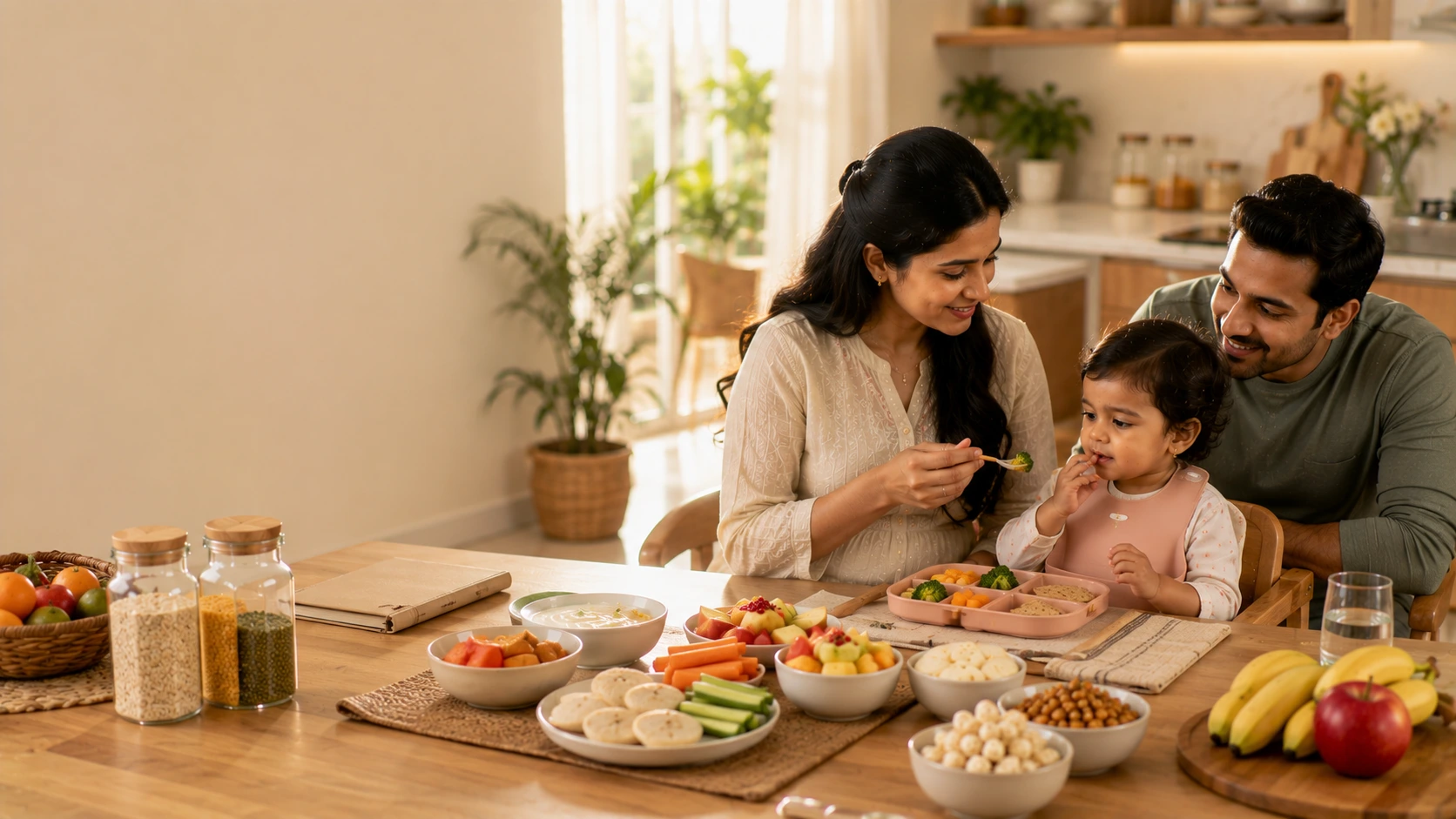
Every parent imagines mealtimes filled with happy bites and curious little eaters. Yet for many families, toddlerhood brings a different reality. One day a child happily enjoys vegetables, fruit, or dal khichdi, and the next day refuses to touch the very same foods. This sudden change often leaves parents wondering whether their child is getting enough nutrition or developing unhealthy eating habits.
The good news is that picky eating is a common developmental stage for many toddlers. Understanding why it happens can help parents respond with patience rather than worry. Supporting toddler nutrition is not about forcing children to eat everything on their plate. Instead, it is about creating positive food experiences, offering variety, and building healthy habits over time.
Parents searching for healthy snacks for picky eaters often hope to balance convenience with nutrition while encouraging their child to explore different tastes and textures. Choosing age-appropriate foods, maintaining regular meal routines, and introducing a wide variety of nutritious options can all contribute to better eating habits.
In India, busy family schedules, school routines, travel, and exposure to packaged foods can make feeding decisions feel even more challenging. Many parents today also seek healthy packaged food, healthy toddler snacks, and preservative free snacks made with cleaner ingredients that fit into everyday life without compromising on quality. Brands such as Tiny Tums reflect this growing preference for ingredient transparency, preservative-free nutrition, and age-appropriate food choices that support healthier beginnings.
This guide explains why picky eating happens, how parents can respond positively, and practical strategies that encourage lifelong healthy eating habits without creating unnecessary stress around food.
What Is Picky Eating?
Picky eating refers to a stage in which a child consistently refuses certain foods, limits the variety of foods they eat, or becomes selective about taste, texture, smell, or appearance. It commonly begins between one and three years of age, when toddlers become more independent and curious about making their own choices.
For many children, picky eating is a normal part of development rather than a sign of poor parenting or inadequate nutrition.
Quick Answer
Picky eating is a developmental behaviour where toddlers become selective about food choices, often preferring familiar foods while rejecting new ones. With patience, repeated exposure, and positive mealtime experiences, most children gradually expand their food preferences.
Common Signs of Picky Eating
Parents may notice that their toddler:
- Eats only a limited number of favourite foods.
- Refuses vegetables or unfamiliar foods.
- Accepts one food today but rejects it tomorrow.
- Becomes sensitive to textures such as mashed, crunchy, or mixed foods.
- Takes a long time to finish meals.
- Prefers snacks over complete meals.
- Rejects foods based on colour or appearance.
These behaviours can be frustrating, but they are frequently part of normal childhood development.
Picky Eating vs Typical Appetite Changes
| Behaviour | Usually Normal | May Need Attention |
| Temporary food refusal | ✓ | |
| Preference for familiar foods | ✓ | |
| Eating smaller portions during slower growth periods | ✓ | |
| Gradually accepting new foods after repeated exposure | ✓ | |
| Poor weight gain or persistent feeding difficulties | ✓ | |
| Difficulty chewing or swallowing | ✓ |
If parents notice ongoing concerns about growth, feeding, or development, consulting a qualified paediatrician or registered dietitian is recommended.
Why Parents Often Feel Concerned
It is understandable to worry when a toddler refuses meals. Parents naturally want to support nutrition for growing children, encourage healthy eating habits for kids, and ensure their child receives adequate nutrients for growth and development.
Remember that one meal or one day of eating rarely defines a child’s overall nutrition. Looking at food intake over an entire week often provides a more accurate picture.
Parent Checklist
Ask yourself these questions before worrying about a single meal:
- Is my child active and playful?
- Is my child growing appropriately according to their healthcare provider?
- Am I offering a variety of foods regularly?
- Are mealtimes generally calm and positive?
- Have I introduced new foods multiple times before deciding my child dislikes them?
If most answers are “yes,” your toddler is likely progressing through a normal developmental stage.
Why Picky Eating Peaks During Toddler Years
Many parents notice that feeding becomes more challenging shortly after their baby’s first birthday. This is not a coincidence. Toddlerhood is a period of rapid emotional, behavioural, and developmental change.
Understanding these changes helps parents respond with confidence rather than frustration.
1. Growing Independence
Toddlers are learning that they can make choices.
Saying “no” to food is often less about the food itself and more about practising independence.
Allowing children to decide whether and how much they eat from the healthy foods offered can help reduce mealtime struggles.
2. Slower Growth Means Smaller Appetites
Growth is very rapid during infancy but naturally slows after the first birthday.
As growth slows, appetite often becomes less predictable. Some days toddlers may eat enthusiastically, while on other days they may need much less food.
This variation is usually normal.
3. Fear of New Foods
Many toddlers develop food neophobia, which is a hesitation to try unfamiliar foods.
This instinct is believed to be a normal developmental behaviour that encourages children to approach unfamiliar foods cautiously.
Repeated, pressure-free exposure often helps children become more comfortable with new foods over time.
4. Developing Taste Preferences
Children continue developing their taste preferences throughout early childhood.
Foods that seem bland to adults may appeal to toddlers, while stronger flavours or unfamiliar textures may take longer to accept.
Repeated exposure, rather than pressure, supports acceptance.
5. Environmental Influences
Modern family life also shapes eating habits.
Examples include:
- Busy weekday routines.
- Frequent travel.
- Increased availability of processed snacks.
- Marketing aimed at children.
- Screen distractions during meals.
- Inconsistent meal schedules.
Creating regular eating routines can help children feel secure and improve their willingness to explore different foods.
Developmental Factors That Influence Eating
| Developmental Change | How It Affects Eating |
| Increased independence | More food refusals and strong preferences |
| Slower physical growth | Appetite naturally fluctuates |
| Curiosity and exploration | Interest shifts away from sitting for meals |
| Developing sensory preferences | Greater sensitivity to texture, smell, and appearance |
| Emotional development | Mood may influence eating from day to day |
Parent Scenario
Imagine a two-year-old returning home from preschool after an active morning. One day they eagerly enjoy idli with vegetable sambar, while the next day they refuse everything except fruit. Rather than seeing this as failure, parents can recognise it as part of normal appetite variation.
Offering balanced meals, including healthy food for kids, healthy snacks for toddlers, and healthy snacks for children, without pressure encourages a more positive relationship with food over time.
Parents also increasingly look for convenient options that support child nutrition without relying heavily on highly processed foods. Choosing clean label food, healthy packaged food, or healthy ready to eat toddler snacks with simple ingredients can be helpful on busy days. Tiny Tums is one example of a brand that aligns with this growing preference for preservative-free nutrition, ingredient transparency, and practical convenience for modern families.
The key message is reassuring: picky eating is often a phase, not a permanent habit. Building consistent routines and maintaining patience can make a meaningful difference in supporting long-term healthy eating habits for kids.
Common Reasons Toddlers Refuse Food
Food refusal can feel personal for parents, but in most cases it is linked to normal developmental behaviour rather than stubbornness. Understanding the reason behind a toddler’s eating habits makes it easier to respond calmly and consistently while supporting toddler nutrition and long-term healthy habits.
1. Appetite Changes from Day to Day
Toddlers do not eat the same amount every day. Activity levels, sleep quality, growth spurts, illness, and even weather can influence appetite.
Instead of focusing on a single meal, look at your child’s food intake over an entire week.
2. Preference for Familiar Foods
Toddlers often enjoy foods they already know and trust. New flavours, colours, or textures may feel unfamiliar.
Offering small portions of new foods alongside favourite meals encourages exploration without creating pressure.
3. Desire for Independence
Choosing what to eat gives toddlers a sense of control.
Simple choices such as:
- Banana or papaya
- Idli or vegetable cheela
- Homemade curd or paneer cubes
help children feel involved while still allowing parents to provide nutritious options.
4. Texture Sensitivity
Some toddlers dislike foods because of how they feel rather than how they taste.
Examples include:
- Soft fruits
- Crunchy vegetables
- Mixed-texture khichdi
- Thick dals
- Smooth purees
Repeated exposure often improves acceptance over time.
5. Too Many Snacks Between Meals
Frequent grazing can reduce appetite during main meals.
Offering regular meal and snack timings supports healthy eating habits for kids while reducing unnecessary hunger fluctuations.
6. Mealtime Distractions
Television, mobile phones, toys, and constant movement may reduce a toddler’s interest in eating.
Family meals without screens encourage children to notice hunger and fullness cues.
Common Reasons Behind Food Refusal
| Reason | What Parents May Notice | Helpful Response |
| Smaller appetite | Eats less than expected | Respect hunger cues |
| Independence | Says “No” frequently | Offer limited healthy choices |
| Texture preferences | Rejects certain consistencies | Introduce gradually |
| Fear of unfamiliar foods | Avoids new meals | Repeat exposure without pressure |
| Too many snacks | Skips lunch or dinner | Maintain consistent meal schedule |
| Distractions | Loses focus while eating | Create calm family mealtimes |
Parent Example
A three-year-old refuses vegetable paratha after eating packaged biscuits before dinner.
Rather than forcing another bite, parents can:
- Wait until the next planned meal.
- Offer balanced options without replacing dinner with sweets.
- Continue serving vegetables in different forms.
- Include healthy snacks for picky eaters between meals rather than highly processed alternatives.
Many families also look for healthy packaged food, healthy toddler snacks, and preservative free snacks that fit into busy schedules while supporting balanced eating habits.
Foods Toddlers Commonly Reject
Many toddlers refuse certain foods repeatedly. This does not necessarily mean they will dislike those foods forever.
Research suggests children often need multiple exposures before accepting a new food.
Foods Frequently Refused
- Green leafy vegetables
- Broccoli
- Bitter vegetables
- Mixed vegetable curries
- Lentils with unfamiliar textures
- Whole fruits with peels
- Eggs
- Fish
- Beans
- New grains
Foods Toddlers Usually Prefer
Many toddlers naturally choose foods that are:
- Mild in flavour
- Familiar
- Soft
- Easy to chew
- Predictable in appearance
Parents can gradually expand variety while maintaining familiar meal routines.
Practical Food Introduction Ideas
| Food Often Rejected | Try This Instead |
| Plain spinach | Spinach mixed into dal or paratha |
| Raw carrots | Steamed carrot sticks |
| Plain paneer | Paneer with mild vegetable pulao |
| Mixed vegetables | Vegetable uttapam or cheela |
| Plain oats | Oats cooked with fruit and cinnamon |
| Plain fruit | Fruit yoghurt or fruit chaat |
Repeated Exposure Matters
Children may need to see a food several times before accepting it.
Helpful strategies include:
- Serve small portions.
- Allow touching and exploring food.
- Eat together as a family.
- Avoid forcing bites.
- Celebrate curiosity rather than quantity eaten.
Healthy Variety Checklist
Aim to regularly include:
- Fruits
- Vegetables
- Whole grains
- Dairy or suitable alternatives
- Pulses and legumes
- Healthy fats
- Age-appropriate healthy snacks for toddlers
- Simple healthy food for kids
Parents who need convenient options increasingly choose products made with simple ingredients and age-appropriate recipes. Brands such as Tiny Tums reflect this growing preference for ingredient transparency and preservative-free nutrition that complements homemade meals.
How Parents Accidentally Reinforce Picky Eating
Parents naturally want children to eat well. However, some well-intentioned habits can unintentionally strengthen picky eating behaviours.
The goal is not perfection. Small changes in mealtime routines can gradually improve acceptance of a wider variety of foods.
Common Habits That May Increase Food Refusal
- Preparing a separate meal every time a child refuses food.
- Using desserts as rewards.
- Pressuring children to finish their plate.
- Offering snacks immediately after meal refusal.
- Labeling children as “picky eaters.”
- Frequently negotiating during meals.
These approaches may increase stress around eating rather than encouraging curiosity.
Do vs Don’t
| Do | Don’t |
| Offer regular meals and snacks | Allow continuous grazing |
| Introduce new foods repeatedly | Give up after one refusal |
| Eat together as a family | Focus only on what the child refuses |
| Praise trying new foods | Force children to finish everything |
| Keep mealtimes relaxed | Turn meals into negotiations |
| Offer balanced choices | Replace every refused meal with favourite foods |
Myth vs Fact
| Myth | Fact |
| “My toddler hates vegetables.” | Preferences often change with repeated exposure. |
| “Healthy children should finish every meal.” | Appetite naturally varies from day to day. |
| “One skipped meal is harmful.” | Healthy toddlers generally balance intake over several days. |
| “Snacks spoil every meal.” | Planned healthy snacks for kids between meals can support child nutrition. |
| “Packaged foods are always unhealthy.” | Some healthy packaged food options made with simple ingredients can complement homemade meals when chosen carefully. |
Expert Tips for Parents
✔ Maintain predictable meal times.
✔ Introduce one new food alongside familiar favourites.
✔ Let toddlers decide how much to eat from the healthy foods offered.
✔ Avoid comparing siblings or friends.
✔ Encourage family meals whenever possible.
✔ Include a variety of colourful foods across the week instead of aiming for perfection every day.
A Reassuring Perspective
Many toddlers move through phases of selective eating before gradually accepting a broader variety of foods. Building trust around meals is often more valuable than trying to achieve a perfectly balanced plate every day.
Parents looking for convenient options can complement homemade meals with thoughtfully selected healthy packaged food, healthy snacks for children, or healthy snacks for picky eaters that emphasise clean ingredients and age-appropriate nutrition. Tiny Tums is one example of a brand designed around these priorities, helping families balance convenience with ingredient transparency while supporting healthier eating habits.
Strategies That Encourage Better Eating
Helping toddlers develop positive eating habits is usually about consistency rather than perfection. Instead of focusing on how much your child eats at a single meal, aim to create a relaxed environment where they can gradually explore different foods at their own pace.
Many children become more willing to try new foods when mealtimes feel enjoyable and pressure-free. Small, consistent changes often have a greater long-term impact than dramatic changes to the menu.
Practical Strategies That Support Better Eating
1. Keep a Consistent Meal Routine
Predictable meal and snack times help toddlers recognise their natural hunger and fullness cues.
A simple routine may include:
- Breakfast
- Mid-morning snack
- Lunch
- Evening snack
- Dinner
Offering planned meals instead of continuous grazing can support better appetite regulation and improve toddler nutrition.
2. Continue Offering New Foods
Children may need many opportunities to become familiar with a new food.
Helpful approach:
- Offer very small portions.
- Pair new foods with familiar favourites.
- Allow children to look, touch, smell, or taste without pressure.
- Stay patient if the food is refused.
Repeated exposure encourages acceptance more effectively than forcing a child to eat.
3. Make Meals Colourful and Interesting
Toddlers often respond positively to visual variety.
Ideas include:
- Fruit rainbows
- Mini vegetable sticks
- Colourful idlis
- Paneer cubes with cucumber
- Whole wheat vegetable sandwiches
- Homemade millet pancakes
These options can contribute to healthy food for kids, healthy snacks for toddlers, and improved child nutrition.
4. Involve Toddlers in Food Preparation
Simple participation increases curiosity.
Depending on age, toddlers can:
- Wash fruits
- Mix yoghurt
- Arrange fruit slices
- Choose vegetables during grocery shopping
- Place foods on their plate
Participation helps build familiarity before tasting.
5. Be a Role Model
Children learn by observing adults.
Parents who regularly eat vegetables, fruits, pulses, and other nutritious foods demonstrate healthy eating naturally.
Family meals encourage positive food behaviours more effectively than repeated reminders.
6. Offer Nutritious Snack Choices
Snacks can complement meals when chosen thoughtfully.
Examples include:
- Fresh fruit
- Homemade roasted makhana
- Unsweetened yoghurt
- Steamed sweet potato
- Whole wheat vegetable rolls
- Homemade chilla
- Age-appropriate healthy snacks for picky eaters
- Carefully selected healthy toddler snacks made with simple ingredients
Many parents also appreciate healthy packaged food that balances convenience with ingredient transparency. Tiny Tums reflects this growing preference for preservative-free nutrition and practical options that fit modern family routines.
Daily Mealtime Success Checklist
✓ Follow regular meal timings.
✓ Offer a variety of foods across the week.
✓ Keep portions age appropriate.
✓ Let toddlers decide how much to eat.
✓ Encourage family meals whenever possible.
✓ Minimise distractions during meals.
✓ Celebrate small wins instead of perfect meals.
✓ Continue supporting healthy eating habits for kids with patience.
Parent Scenario
A two-and-a-half-year-old refuses vegetables for several days.
Instead of replacing dinner with biscuits or sweets, the parents continue offering small portions of vegetables alongside favourite foods such as dal rice and curd. They also include fruit during snack time and occasionally choose healthy snacks for children with clean ingredients during travel.
After several weeks of calm, consistent exposure, the toddler begins tasting vegetables voluntarily.
This gradual progress is common and demonstrates how consistency often works better than pressure.
When Parents Should Seek Professional Guidance
Picky eating is usually a temporary developmental stage, but some situations deserve additional support.
Seeking advice early can provide reassurance and help identify any underlying feeding concerns.
Consider Speaking With a Healthcare Professional If Your Child:
- Shows poor weight gain over time.
- Frequently coughs, gags, or chokes while eating.
- Eats an extremely limited number of foods for an extended period.
- Avoids entire food groups consistently.
- Experiences ongoing vomiting or digestive concerns.
- Appears unusually tired or lacks energy.
- Has feeding difficulties that create significant stress for the family.
A qualified paediatrician or registered dietitian can assess growth, feeding development, and nutritional needs while providing personalised guidance.
Most Picky Eating Does Not Require Alarm
Many toddlers:
- Eat different amounts every day.
- Suddenly reject favourite foods.
- Prefer familiar flavours.
- Need repeated exposure before accepting new foods.
These behaviours are generally part of normal childhood development.
The focus should remain on providing balanced opportunities to eat rather than expecting perfect meals every day.
Quick Decision Guide
| Situation | Recommended Action |
| Temporary food refusal | Continue offering balanced meals calmly |
| Refuses vegetables | Reintroduce in different forms over time |
| Appetite changes daily | Monitor intake across the week |
| Persistent feeding difficulties | Consult a paediatrician |
| Growth concerns | Seek professional evaluation |
| Difficulty chewing or swallowing | Arrange prompt medical assessment |
Building Confidence as a Parent
Feeding a toddler is a journey of learning for both parent and child.
There will be days when meals go smoothly and days when very little is eaten. Neither defines your success as a parent.
Building healthy habits happens gradually through:
- Consistency
- Patience
- Positive family routines
- Balanced food choices
- Trust in your child’s developing appetite
Many families also appreciate products that combine convenience with ingredient transparency. Brands such as Tiny Tums support this growing preference by offering preservative-free, child-focused nutrition that complements homemade meals and helps parents feel more confident during everyday feeding moments.
References
1. World Health Organization (WHO)
https://www.who.int/news-room/fact-sheets/detail/infant-and-young-child-feeding
2. UNICEF
https://www.unicef.org/parenting/food-nutrition
FAQs
Why is my toddler suddenly refusing food?
Toddlers commonly refuse food as part of normal development. Slower growth, growing independence, changing appetites, and sensitivity to new tastes or textures can all contribute. Offering a variety of foods without pressure usually supports healthier eating over time.
Is picky eating normal?
Yes. Picky eating is a common phase during toddlerhood and often improves gradually as children gain more experience with different foods. Consistent routines and repeated exposure are generally more effective than forcing children to eat.
How long does picky eating last?
The duration varies for every child. Many toddlers show the strongest picky eating behaviours between one and three years of age, with gradual improvement as they grow and become more comfortable trying new foods.
When should I be concerned?
Parents should consult a healthcare professional if picky eating is accompanied by poor growth, persistent weight loss, difficulty chewing or swallowing, frequent choking, or an extremely limited diet that continues over time.