 admin
admin 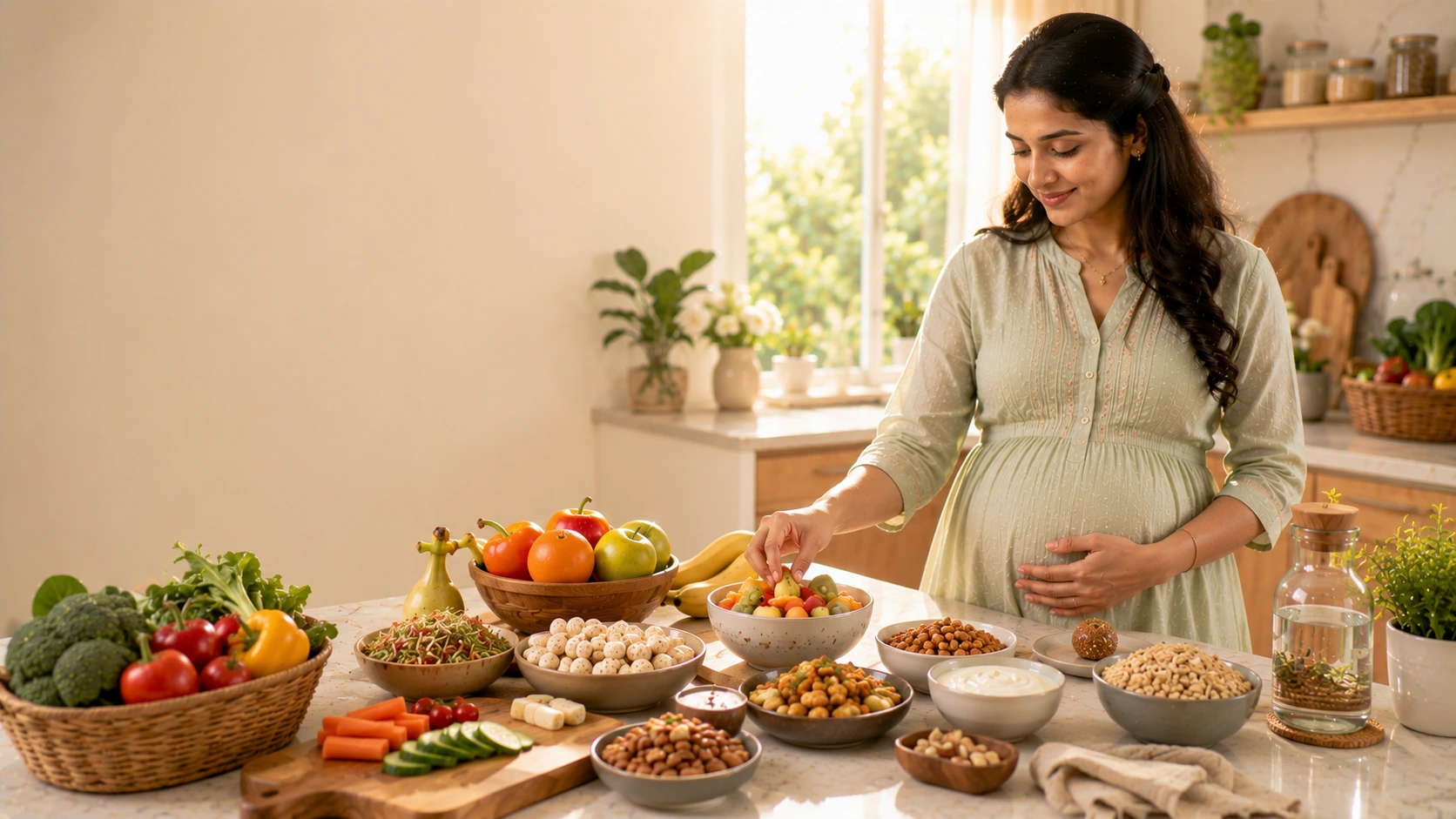
Pregnancy is an exciting journey, but it often brings new experiences that can leave expectant mothers with many questions. One of the most common is food cravings. You may suddenly crave mangoes in winter, spicy chaat in the middle of the afternoon, or something sweet after every meal. While these changes are common, many women wonder whether cravings are normal, whether they indicate a nutritional deficiency, and how they fit into healthy eating during pregnancy.
Understanding pregnancy nutrition does not mean avoiding every craving. Instead, it involves learning how to balance enjoyment with nourishment for both mother and baby. Building a routine around healthy pregnancy snacks, healthy foods during pregnancy, and nutrition for pregnant women can help satisfy cravings while supporting overall wellbeing.
For many Indian families, advice comes from relatives, friends, healthcare professionals, and social media, often creating confusion. The good news is that cravings are usually a normal part of pregnancy and can often be managed with practical food choices, balanced meals, and mindful eating habits.
Many modern mothers are also choosing cleaner, more transparent nutrition options. Brands such as Tiny Tums reflect this growing preference for preservative-free products that support balanced pregnancy wellness nutrition without compromising convenience.
Why Do Pregnancy Cravings Happen?
Quick Answer
Pregnancy cravings are believed to result from a combination of hormonal changes, altered taste and smell, emotional factors, increased energy needs, and changing nutritional requirements. Although researchers are still studying their exact cause, cravings are considered a common and normal part of pregnancy for many women.
Why Cravings Feel Stronger During Pregnancy
During pregnancy, your body undergoes significant hormonal changes. Hormones such as estrogen and progesterone can influence:
- Taste perception
- Sense of smell
- Appetite
- Food preferences
- Emotional responses to food
A smell that never bothered you before may suddenly feel overwhelming, while foods you previously disliked may become irresistible.
For example, an expectant mother in Mumbai may suddenly enjoy fresh coconut water every afternoon, while another in Bengaluru may begin craving homemade lemon rice or curd rice. These experiences vary widely and are often completely normal.
Common Reasons Behind Pregnancy Cravings
| Possible Reason | How It May Influence Cravings |
| Hormonal changes | Alter taste, smell, and appetite |
| Increased energy needs | Create stronger hunger between meals |
| Emotional comfort | Certain foods may feel comforting during stressful days |
| Cultural influences | Family recipes and traditional foods often become more appealing |
| Morning sickness | Some foods may feel easier to tolerate than others |
Common Pregnancy Cravings in India
Many women experience cravings for familiar comfort foods rather than unusual combinations.
Some common examples include:
- Fresh seasonal fruits
- Mangoes
- Tamarind
- Roasted makhana
- Curd rice
- Lemon rice
- Khichdi
- Coconut water
- Homemade laddoos
- Fresh fruit smoothies
- Yogurt
- Peanut chikki
- Roasted peanuts
- Sweet dishes
- Savoury street-style flavours
Choosing healthier versions of favourite foods often allows mothers to enjoy cravings while maintaining healthy eating during pregnancy.
Parent-Friendly Reminder
Cravings themselves are not usually something to worry about. What matters most is your overall dietary pattern across the day rather than one specific craving or occasional treat.
A balanced approach that includes:
- healthy pregnancy snacks
- foods for healthy pregnancy
- adequate hydration
- regular meals
- plenty of fruits and vegetables
- protein-rich foods
- whole grains
can help reduce extreme hunger and make cravings easier to manage.
Practical Tips to Manage Everyday Cravings
✔ Never skip meals, as long gaps can intensify cravings.
✔ Include protein in every meal to help you feel satisfied for longer.
✔ Keep nutritious snacks for pregnant women available at home, at work, or while travelling.
✔ Stay hydrated throughout the day.
✔ Plan small, balanced meals instead of relying on large portions.
✔ Choose healthy packaged snacks for pregnancy with simple ingredient lists when homemade options are not available.
✔ Focus on overall dietary balance instead of striving for perfection.
Healthy Swap Ideas
| Instead of… | Try… |
| Sugary desserts every day | Fresh fruit with yogurt |
| Deep-fried snacks | Roasted chana or roasted makhana |
| Sugary beverages | Coconut water or unsweetened buttermilk |
| Packaged sweets | Fresh dates in moderation with mixed nuts |
| Refined biscuits | Whole-grain crackers with peanut butter |
These small swaps help maintain pregnancy wellness nutrition while still satisfying occasional cravings.
Are Cravings a Sign of Nutrient Deficiency?
One of the most common questions expectant mothers ask is whether every craving indicates that the body is lacking a specific nutrient.
The simple answer is not always.
Although certain nutritional deficiencies may occasionally influence food preferences, there is no strong evidence that most pregnancy cravings directly correspond to a specific vitamin or mineral deficiency. Cravings are far more likely to result from the natural combination of hormonal changes, emotional wellbeing, changing appetite, and increased energy requirements that occur throughout pregnancy.
For example, craving something sweet does not automatically mean your body needs sugar, and craving salty foods does not necessarily indicate a sodium deficiency. Instead of focusing on one craving, it is more helpful to look at your overall eating pattern and ensure you are following a balanced approach to nutrition for pregnant women.
A nutrient-rich diet built around healthy foods during pregnancy, whole grains, fruits, vegetables, dairy, pulses, nuts, seeds, and appropriate sources of protein provides a stronger foundation for both maternal wellbeing and baby’s growth than trying to interpret every craving individually.
Managing Sweet, Salty and Spicy Cravings
Every pregnancy is different, and so are food cravings. One mother may crave sweet fruits every evening, while another may prefer crunchy, salty snacks or spicy Indian favourites. Rather than trying to eliminate cravings completely, the goal of healthy eating during pregnancy is to manage them in a balanced and enjoyable way.
Understanding Different Types of Cravings
| Craving Type | Common Examples | Healthier Ways to Enjoy Them |
| Sweet | Mithai, chocolates, ice cream | Fresh fruit, yogurt with berries, dates in moderation, homemade fruit smoothies |
| Salty | Chips, namkeen, packaged snacks | Roasted chana, unsalted mixed nuts, roasted makhana, homemade chivda |
| Spicy | Chaat, pani puri, spicy curries | Homemade chaat with sprouts, roasted vegetables with spices, fresh fruit chaat |
| Crunchy | Fried snacks | Roasted seeds, whole-grain crackers, roasted peanuts |
| Cold | Ice cream, chilled desserts | Chilled fruit, homemade yogurt parfaits, fresh smoothies |
Choosing balanced alternatives allows mothers to satisfy cravings while continuing to support pregnancy wellness nutrition.
A Simple Decision Framework
Before reaching for a craving, ask yourself:
✔ Am I actually hungry?
✔ Have I eaten a balanced meal recently?
✔ Can I pair this craving with something nutritious?
✔ Would a homemade version be just as satisfying?
✔ Can I enjoy a smaller portion instead of a large serving?
This simple pause helps reduce impulsive eating without creating unnecessary food restrictions.
Healthier Ways to Satisfy Cravings
Managing cravings does not require perfection. Small, realistic adjustments often make the biggest difference over time.
Build Balanced Meals
Balanced meals help maintain steady energy levels and may reduce frequent cravings.
Aim to include:
- Whole grains
- Fruits
- Vegetables
- Dairy or dairy alternatives
- Pulses and legumes
- Lean protein
- Healthy fats
- Plenty of water
These foods support pregnancy nutrition, nutrition for pregnant women, and overall wellbeing.
Smart Snack Pairings
Instead of eating foods high in sugar or refined carbohydrates alone, pair them with protein or healthy fats.
Examples include:
- Apple slices with peanut butter
- Banana with yogurt
- Roasted makhana with nuts
- Whole-grain toast with paneer
- Fruit with a handful of almonds
- Sprouts chaat with vegetables
These combinations provide longer-lasting satisfaction than sugary snacks alone.
Healthy Pregnancy Snack Ideas
Some practical healthy pregnancy snacks include:
- Roasted makhana
- Fresh fruit bowls
- Homemade vegetable sandwiches
- Mixed nuts and seeds
- Whole wheat vegetable wraps
- Plain yogurt with fruit
- Boiled corn
- Fresh coconut water
- Roasted chana
- Homemade vegetable poha
Many mothers also appreciate healthy packaged snacks for pregnancy with simple ingredient lists when work, travel, or busy schedules make home preparation difficult. Tiny Tums reflects this growing preference by offering preservative-free options that support balanced nutrition without compromising ingredient transparency.
Healthy Alternatives to Common Cravings
| Instead of | Try |
| Cream-filled biscuits | Whole-grain crackers with nut butter |
| Fried chips | Roasted makhana |
| Sugary desserts | Fruit with yogurt |
| Packaged sweets | Fresh dates with nuts |
| Soft drinks | Lemon water or coconut water |
| Fried street snacks every day | Homemade baked snacks or sprouts chaat |
Indian Pregnancy-Friendly Snack Ideas
Many traditional Indian foods naturally fit into healthy eating during pregnancy when prepared with wholesome ingredients.
Examples include:
- Vegetable upma
- Idli with sambar
- Moong dal chilla
- Vegetable poha
- Dalia
- Khichdi
- Fresh fruit chaat
- Ragi porridge
- Paneer cubes with vegetables
- Homemade besan chilla
These foods support both nourishment and satisfaction while respecting familiar eating habits.
Myth vs Fact
| Myth | Fact |
| You should never give in to cravings. | Occasional cravings can be enjoyed as part of a balanced diet. |
| Every craving means a nutrient deficiency. | Most cravings are linked to hormonal and appetite changes rather than a specific deficiency. |
| Healthy eating means avoiding favourite foods completely. | Balance and moderation are more sustainable than strict restriction. |
| Packaged foods are always unhealthy. | Some healthy packaged food options with simple ingredients can fit into a balanced diet. |
Practical Checklist for Managing Cravings
✔ Eat every 3 to 4 hours.
✔ Stay hydrated throughout the day.
✔ Include protein with meals and snacks.
✔ Keep nutritious foods easily accessible.
✔ Plan healthy pregnancy food ideas before cravings become overwhelming.
✔ Choose foods with simple ingredient lists whenever possible.
✔ Listen to your hunger and fullness cues.
✔ Speak with your healthcare provider if cravings become extreme or involve non-food items.
Parent Scenario
Riya, a first-time mother in Pune, found herself craving sweets every afternoon. Instead of skipping lunch and reaching for chocolates later, she started eating balanced lunches with dal, vegetables, rice, and curd. She also packed fruit, roasted makhana, and yogurt for her office. Within a few weeks, her cravings became more manageable, and she felt more energetic throughout the day.
This example highlights how planning, rather than restriction, often makes healthy eating during pregnancy easier to maintain.
By viewing cravings as part of a broader nutrition journey instead of something to fear, expectant mothers can make practical choices that support both comfort and wellbeing.
When Cravings Become Concerning
Most pregnancy cravings are a normal part of the journey and usually do not require concern. However, there are situations where it is important to seek advice from your obstetrician, gynaecologist, or registered dietitian.
Signs That Warrant Medical Advice
Consult your healthcare provider if you experience:
- Cravings for non-food items such as मिट्टी (soil), chalk, clay, paper, soap, ash, or ice in large amounts. This condition, known as pica, may be associated with nutritional deficiencies and requires medical evaluation.
- Persistent inability to keep food down due to severe nausea or vomiting.
- Sudden, significant changes in appetite.
- Rapid or unexplained weight changes.
- Difficulty following a balanced eating pattern because cravings dominate every meal.
- Concerns about gestational diabetes or other pregnancy-related health conditions.
Seeking professional guidance early helps ensure appropriate pregnancy diet support while protecting both maternal and baby health.
Normal Cravings vs When to Seek Help
| Usually Normal | Speak With Your Doctor |
| Occasional cravings for sweets or savoury foods | Cravings for non-food substances |
| Changing food preferences | Persistent vomiting preventing adequate nutrition |
| Wanting familiar comfort foods | Significant weight loss or poor weight gain |
| Enjoying favourite foods in moderation | Medical conditions affecting eating habits |
| Mild appetite fluctuations | Concerns about nutritional deficiencies |
Building Balanced Eating Habits
While cravings may come and go throughout pregnancy, healthy daily habits provide long-term benefits for both mother and baby. The goal is not to eliminate cravings but to create a sustainable approach to healthy eating during pregnancy.
A Simple Daily Nutrition Framework
Focus on building meals around:
- Whole grains such as oats, brown rice, whole wheat roti, and millets.
- A variety of seasonal fruits and vegetables.
- Protein-rich foods including dals, beans, paneer, eggs, fish, or lean meat as appropriate.
- Dairy or fortified alternatives for calcium.
- Healthy fats from nuts, seeds, and healthy oils.
- Plenty of fluids throughout the day.
This balanced approach supports pregnancy nutrition, nutrition for pregnant women, and overall pregnancy wellness nutrition.
Daily Nutrition Priorities
| Nutrition Goal | Practical Example |
| Eat regular meals | Three balanced meals with two healthy snacks |
| Include protein | Dal, paneer, sprouts, eggs, or yogurt |
| Increase fruit and vegetables | Add one fruit and vegetables at every main meal |
| Stay hydrated | Water, coconut water, buttermilk, or lemon water |
| Choose nutritious snacks | Fruit, roasted makhana, nuts, yogurt, roasted chana |
| Read food labels | Choose products with simple, transparent ingredient lists |
Building Healthy Habits That Last
Instead of trying to follow every trend seen on social media, focus on habits that are practical and enjoyable.
Healthy habits to build:
✔ Plan meals in advance whenever possible.
✔ Keep healthy pregnancy snacks available at home, work, or while travelling.
✔ Eat mindfully rather than eating out of boredom or stress.
✔ Enjoy favourite foods occasionally without guilt.
✔ Prioritize variety instead of perfection.
✔ Stay physically active if advised by your healthcare provider.
✔ Get adequate sleep and manage stress, as both can influence appetite.
Parent Scenario
Neha, an expectant mother working full-time in Bengaluru, often skipped breakfast and experienced intense evening cravings for fried snacks. After planning simple breakfasts such as vegetable poha, yogurt with fruit, or whole-grain toast with peanut butter, she noticed her afternoon energy improved and her evening cravings became easier to manage.
For busy families, convenient options can also support healthy habits. Many parents today look for products with transparent ingredient lists and preservative-free formulations. Brands such as Tiny Tums reflect this growing preference for convenient nutrition that fits into a balanced lifestyle without replacing fresh, home-cooked meals.
Expert Tips for Managing Pregnancy Cravings
- Focus on your overall dietary pattern instead of individual cravings.
- Include a source of protein in each meal.
- Keep healthy foods within easy reach.
- Avoid long gaps between meals.
- Enjoy favourite treats occasionally as part of a balanced diet.
- Choose healthy packaged food only after checking ingredient lists and nutritional information.
- Remember that consistency matters more than perfection.
By approaching cravings with knowledge and balance, mothers can feel more confident about making food choices that support both their own wellbeing and their baby’s development.
References
- World Health Organization (WHO)
https://www.who.int/news-room/fact-sheets/detail/healthy-diet - National Health Service (NHS) – Healthy Eating in Pregnancy
https://www.nhs.uk/pregnancy/keeping-well/foods-to-avoid/
FAQs
Why do pregnancy cravings happen?
Pregnancy cravings are thought to result from a combination of hormonal changes, changes in taste and smell, emotional factors, and increased nutritional and energy needs. They are a common and normal part of pregnancy for many women.
Are cravings normal during pregnancy?
Yes. Most expectant mothers experience cravings at some stage during pregnancy. Occasional cravings can usually be enjoyed as part of a balanced diet focused on healthy eating during pregnancy.
What foods help control cravings?
Balanced meals containing protein, whole grains, fruits, vegetables, healthy fats, and fibre can help reduce intense cravings. Nutritious snack options such as fruit, yogurt, roasted makhana, roasted chana, and nuts can also help maintain steady energy levels.
Can cravings indicate nutritional deficiencies?
Not always. While certain deficiencies may occasionally contribute to unusual cravings, most pregnancy cravings are not directly linked to a lack of specific nutrients. If cravings involve non-food items or become excessive, consult your healthcare provider for further evaluation.