 admin
admin 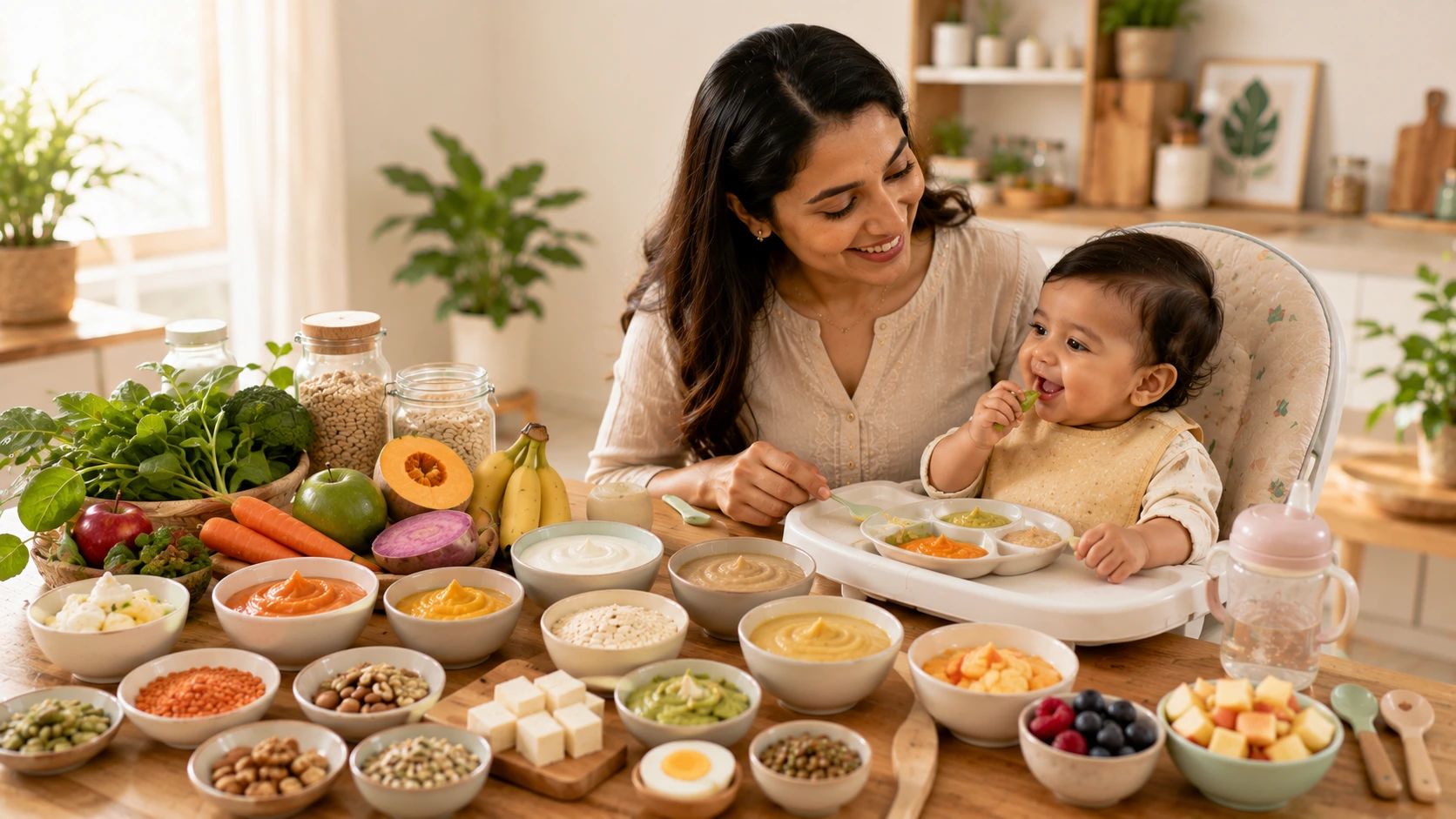
The first year of life is one of the most important periods of growth and development. During this stage, baby nutrition plays a vital role in supporting physical growth, brain development, immune function, and healthy eating habits that can continue into childhood.
Many parents have questions about what nutrients babies need, when different foods should be introduced, and how to make confident feeding decisions. Understanding baby nutrition, child nutrition, and nutrition for growing children can help parents focus on practical, age-appropriate food choices rather than becoming overwhelmed by conflicting advice.
For most families, successful infant feeding is not about perfection. It is about providing a variety of nutritious foods, introducing new flavors gradually, and creating positive feeding experiences that support healthy development.
Why Nutrition Is Critical in the First Year
A baby’s first year is marked by rapid growth. During this period, the body and brain develop quickly, creating increased nutritional demands.
Quick Answer
Baby nutrition is critical during the first year because babies experience rapid growth and development, requiring consistent access to essential nutrients that support healthy physical and cognitive development.
Why Nutrition Matters Early
- Supports growth and development
- Helps establish healthy eating patterns
- Contributes to brain development
- Supports immune function
- Encourages healthy food acceptance
Parent Scenario
A first-time mother introducing complementary foods may worry whether her baby is eating enough. Focusing on food variety, age-appropriate textures, and consistent feeding opportunities can help build confidence over time.
First-Year Nutrition Checklist
- Age-appropriate feeding
- Variety of foods
- Gradual food introduction
- Consistent feeding routines
- Positive mealtime experiences
Good nutrition during infancy helps create a foundation for lifelong wellness.
Essential Nutrients for Infant Development
Babies need a range of nutrients to support healthy development.
Nutrient Role Table
| Nutrient | Why It Matters | Common Food Sources |
| Protein | Supports growth and tissue development | Dal, yogurt, eggs |
| Iron | Supports healthy development | Iron-rich cereals, lentils |
| Calcium | Supports bones and teeth | Dairy products |
| Healthy Fats | Supports brain development | Avocado, dairy, nut powders when appropriate |
| Vitamins | Support overall wellness | Fruits and vegetables |
| Minerals | Support development | Variety of nutrient-rich foods |
These nutrients contribute to both baby nutrition and long-term child nutrition.
Nutrient-Rich Food Examples
- Dal puree
- Mashed vegetables
- Fruit puree
- Yogurt
- Soft cooked grains
- Age-appropriate proteins
Parents often find that offering a variety of foods gradually helps support balanced nutrition.
Protein, Iron, Calcium, and Healthy Fats Explained
Certain nutrients deserve special attention because of their role in infant development.
Protein
Protein supports growth and development.
Examples include:
- Dal
- Yogurt
- Eggs when appropriate
- Paneer
Iron
Iron is commonly highlighted in infant feeding recommendations because babies have increasing iron needs during growth.
Examples include:
- Lentils
- Iron-fortified foods
- Beans
Calcium
Calcium supports developing bones and teeth.
Examples include:
- Yogurt
- Paneer
- Dairy products when appropriate
Healthy Fats
Healthy fats support growth and development.
Examples include:
- Avocado
- Full-fat dairy foods where appropriate
- Nut-based preparations when introduced safely
Nutrient Comparison Table
| Nutrient | Supports |
| Protein | Growth and tissue development |
| Iron | Healthy development |
| Calcium | Bones and teeth |
| Healthy Fats | Brain development |
Balanced feeding patterns help babies receive a variety of these nutrients over time.
How Nutrition Supports Brain Development
The brain develops rapidly during infancy.
Nutrition contributes to this process by providing essential building blocks that support normal growth and development.
Key Factors Supporting Brain Development
- Consistent feeding routines
- Variety of nutrient-rich foods
- Healthy fats
- Iron-rich foods
- Responsive feeding practices
Parent Insight
Many parents focus exclusively on how much a baby eats. Equally important is offering a variety of foods that expose babies to different textures, tastes, and nutrients.
Building a Positive Feeding Environment
- Offer new foods repeatedly
- Avoid pressure during feeding
- Allow babies to explore textures
- Maintain consistent routines
These practices can support both development and future food acceptance.
Common Infant Nutrition Gaps
Many parents worry whether their baby is receiving enough nutrition.
Common Challenges
- Limited food variety
- Delayed introduction of new foods
- Feeding uncertainty
- Picky eating behaviors as children grow
Common Nutrition Gap Table
| Challenge | Practical Solution |
| Limited variety | Introduce foods gradually |
| Feeding uncertainty | Follow age-appropriate guidance |
| Busy schedules | Prepare foods ahead of time |
| Repeated food refusal | Continue gentle exposure |
Parent Scenario
A baby may reject a new vegetable several times before eventually accepting it. Repeated exposure is often part of the learning process.
Quick Checklist
- Introduce a variety of foods
- Offer foods multiple times
- Focus on progress rather than perfection
- Maintain consistent routines
These habits support healthy nutrition for kids as children continue growing.
Safe Snack and Meal Ideas for Babies
As babies become more comfortable with foods, parents often look for simple meal and snack ideas.
Safe Food Ideas
- Soft fruit pieces
- Yogurt
- Mashed sweet potato
- Vegetable puree
- Soft cooked vegetables
- Oat porridge
Baby-Friendly Meal Table
| Meal Time | Example |
| Breakfast | Oat porridge |
| Mid-Morning | Fruit puree |
| Lunch | Dal and vegetable mash |
| Evening | Yogurt |
| Dinner | Soft khichdi |
These foods can support foods for child growth, healthy baby food, and overall baby nutrition.
Safe Snack Checklist
- Age-appropriate texture
- Easy to chew or swallow
- Nutrient-rich ingredients
- Suitable portion size
Parents introducing snacks should focus on developmental readiness and food safety.
Signs Parents Should Monitor
Parents often wonder whether their baby’s nutrition is on track.
Signs Worth Discussing With a Professional
- Persistent feeding difficulties
- Ongoing appetite concerns
- Limited food acceptance
- Questions about growth or development
Important Reminder
Every baby develops differently. Growth patterns, appetite, and food preferences can vary significantly between children.
Parent Reassurance
Occasional feeding challenges are common. Consistency, patience, and age-appropriate guidance are often more helpful than striving for perfect meals every day.
Building Healthy Food Habits Early
Healthy eating habits begin during infancy and continue throughout childhood.
Habits That Support Long-Term Nutrition
- Offering a variety of foods
- Encouraging family meals
- Following regular meal routines
- Introducing different textures gradually
- Creating positive food experiences
Healthy Habit Checklist
- Consistent feeding schedule
- Food variety
- Positive mealtime environment
- Responsive feeding practices
- Balanced food choices
From Infancy to Toddlerhood
Early feeding experiences can influence:
- healthy eating habits for kids
- Future food preferences
- healthy food habits for children
- Acceptance of new foods
- Long-term child nutrition
As babies grow into toddlers, many parents begin exploring healthy snacks for babies, healthy food for kids, and safe healthy snacks for toddlers that support healthy eating habits while fitting modern family routines.
Many parents today seek clean ingredient baby food, preservative free baby food, and products with transparent ingredients. Brands such as Tiny Tums reflect this growing preference for preservative-free nutrition, parent reassurance, and healthier beginnings.
Balanced nutrition during infancy helps support healthy growth and long-term eating habits. Tiny Tums aligns with this approach by emphasizing ingredient transparency, child wellness, and practical nutrition solutions for families.
References
- World Health Organization (WHO) – Infant and Young Child Feeding
- UNICEF – Infant and Young Child Feeding
FAQs
Important nutrients commonly discussed in baby nutrition include protein, iron, calcium, healthy fats, vitamins, and minerals that support growth and development.
Nutrition provides the building blocks needed for physical growth, brain development, and overall wellness during infancy.
Foods such as dal, fruits, vegetables, yogurt, soft grains, and other age-appropriate nutrient-rich foods can support healthy development.
Some packaged foods can fit into a balanced feeding approach when they are age-appropriate, nutritionally suitable, and provide transparent ingredient information.