 admin
admin 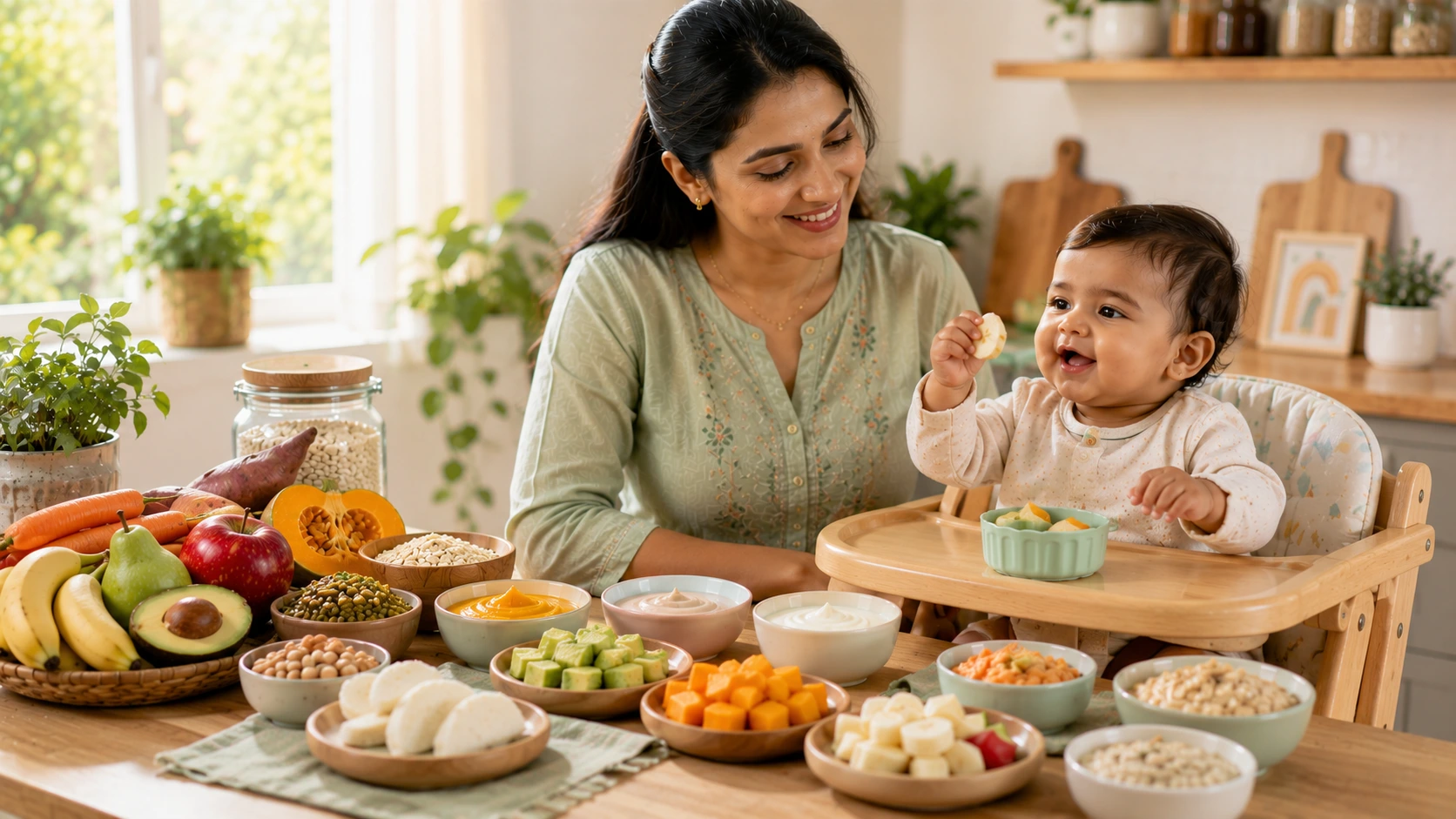
Introducing snacks is an exciting stage in a baby’s feeding journey. As babies become more active and begin exploring different textures and flavors, parents often start looking for healthy snacks for babies that are safe, nutritious, and easy to prepare.
Choosing the right snacks can support baby nutrition, encourage self-feeding skills, and help establish positive eating habits early in life. For many parents, especially first-time mothers, understanding when to offer snacks, what foods are appropriate, and how to ensure safety can feel overwhelming.
The good news is that snack time does not need to be complicated. Simple foods, age-appropriate textures, and consistent feeding routines can help support healthy development while building confidence for both parents and babies.
When Can Babies Start Eating Snacks?
Most babies begin exploring complementary foods around six months of age, alongside continued breast milk or formula feeding.
As babies grow and develop feeding skills, snacks can gradually become part of their daily routine.
Quick Answer
Babies can generally begin eating age-appropriate snacks once they are developmentally ready for complementary foods and can safely handle suitable textures.
Signs a Baby May Be Ready for Snacks
- Can sit with support
- Shows interest in food
- Opens mouth when food is offered
- Begins chewing motions
- Can move food around the mouth
Parent Scenario
An eight-month-old baby who has already been eating simple purees and mashed foods may start showing interest in picking up soft pieces of food independently. This can be an appropriate time to introduce simple snack options.
Feeding Readiness Checklist
- Baby sits comfortably during meals
- Baby shows interest in eating
- Baby can swallow foods safely
- Age-appropriate textures are offered
What Makes a Snack Safe for Babies?
Safety is one of the most important considerations when selecting snacks.
Parents often focus on nutritional value, but texture and size are equally important.
Characteristics of Safe Baby Snacks
- Soft texture
- Easy to chew
- Age-appropriate size
- Simple ingredients
- Easy to swallow
Safe Snack Checklist
Choose foods that are:
- Soft enough to mash easily
- Appropriate for your baby’s age
- Served under supervision
- Prepared safely
Choking Safety Reminder
Always supervise babies during feeding and ensure foods are prepared in age-appropriate sizes and textures.
Snack Safety Comparison
| Safer Options | Foods That Require Extra Caution |
| Mashed banana | Hard raw vegetables |
| Soft fruit slices | Large food chunks |
| Steamed vegetables | Sticky foods |
| Soft cooked grains | Tough chewy foods |
Soft and Easy Snack Ideas by Age
Different stages of development require different food textures.
Age-Wise Snack Guide
| Age Range | Snack Ideas |
| 6-8 Months | Mashed banana, mashed sweet potato, soft fruit puree |
| 8-10 Months | Soft fruit pieces, steamed vegetables, yogurt |
| 10-12 Months | Small soft finger foods, cooked vegetables, soft fruits |
Easy Indian Snack Ideas
- Mashed banana
- Steamed apple pieces
- Soft pear slices
- Cooked sweet potato
- Soft idli pieces
- Mashed dal preparations
- Soft khichdi
These options can support healthy baby food, natural baby food, and overall baby nutrition.
Parent Tip
Introduce one new food at a time so you can observe how your baby responds to different textures and flavors.
Healthy Homemade vs Packaged Snacks
Parents often wonder whether homemade snacks or packaged options are better.
Both can have a place in a baby’s feeding routine when selected thoughtfully.
Comparison Table
| Homemade Snacks | Packaged Snacks |
| Full ingredient control | Convenient for travel |
| Fresh preparation | Easy storage |
| Flexible recipes | Ready-to-carry option |
| Time-intensive | Useful during busy schedules |
What Parents Often Look For
- Ingredient transparency
- Age suitability
- Simple ingredients
- Appropriate textures
Many parents searching for healthy packaged food, clean ingredient baby food, and preservative free baby food prioritize products that provide clear ingredient information.
Parent Scenario
A family traveling between cities may choose homemade snacks whenever possible but also keep age-appropriate packaged options available for convenience during long journeys.
Finger Foods and Self-Feeding Tips
Finger foods can help babies develop independence and feeding skills.
Benefits of Self-Feeding
- Encourages exploration
- Supports hand-eye coordination
- Builds familiarity with food textures
- Encourages feeding confidence
Easy Finger Food Examples
| Finger Food | Texture |
| Soft banana sticks | Very soft |
| Steamed carrot sticks | Soft |
| Soft pear slices | Soft |
| Idli strips | Soft |
| Soft avocado pieces | Soft |
Self-Feeding Checklist
- Supervise meals
- Offer soft textures
- Allow exploration
- Keep portions small
- Stay patient
Building positive experiences with food can contribute to healthy long-term eating habits.
Snack Ideas for Busy Parents
Many parents balance childcare, work responsibilities, and household tasks.
Convenience often becomes an important consideration.
Quick Snack Options
- Banana slices
- Steamed vegetables
- Soft fruit cubes
- Yogurt
- Homemade fruit puree
- Soft cooked grains
Busy Parent Routine Example
A working mother preparing meals for the day may portion fruits and steamed vegetables in advance to make snack times easier.
Convenience Checklist
- Prepare snacks ahead of time
- Store foods safely
- Keep simple options available
- Use age-appropriate portions
Some parents choose softer, preservative-free packaged snack options for convenience during travel and outings.
Brands such as Tiny Tums reflect the growing preference for ingredient transparency, preservative-free nutrition, and parent-friendly convenience.
Foods Parents Should Avoid Giving Babies
Some foods may not be appropriate for babies because of texture, preparation, or feeding stage considerations.
Foods That Often Require Caution
| Food Type | Why Parents Should Be Careful |
| Hard foods | Difficult to chew |
| Large food pieces | May be difficult to manage |
| Very sticky foods | Challenging texture |
| Highly processed foods | Limited nutritional value |
Practical Reminder
Food preparation and supervision are important parts of safe feeding.
Parent Checklist
- Serve age-appropriate textures
- Avoid large food chunks
- Supervise meals
- Introduce new foods gradually
Building Healthy Eating Habits Early
Food habits begin developing during infancy.
Small, consistent routines can help create positive experiences around food.
Habits That Support Long-Term Wellness
- Consistent meal routines
- Exposure to a variety of foods
- Positive feeding environments
- Age-appropriate food choices
- Patience during feeding
Healthy Habit Checklist
- Offer a variety of foods
- Encourage exploration
- Avoid pressure during meals
- Focus on consistency
- Celebrate progress
Many parents seeking healthy nutrition for kids, healthy food for kids, child nutrition, and healthy snacks moms trust find that early exposure to diverse foods supports more confident feeding over time.
Tiny Tums and similar wellness-focused brands align with the growing demand for ingredient transparency, preservative-free nutrition, and supporting healthier beginnings for modern families.
References
- UNICEF – Infant and Young Child Feeding
- World Health Organization (WHO) – Complementary Feeding
https://www.who.int/health-topics/complementary-feeding
FAQs
What snacks are safe for babies?
Safe snacks are typically soft, age-appropriate foods that babies can chew and swallow comfortably. Examples include soft fruits, steamed vegetables, and simple healthy baby food options.
When can babies start finger foods?
Many babies begin exploring finger foods when they can sit comfortably, show interest in food, and manage soft textures safely.
Are packaged baby snacks safe?
Some packaged snacks may be appropriate when they provide clear ingredient information, suitable textures, and age-appropriate nutrition. Parents often prefer clean ingredient baby food and preservative free baby food options with transparent labeling.
What foods should babies avoid?
Parents should be cautious with foods that are hard, large, sticky, or difficult for babies to manage safely. Appropriate preparation and supervision remain important during feeding.