 admin
admin 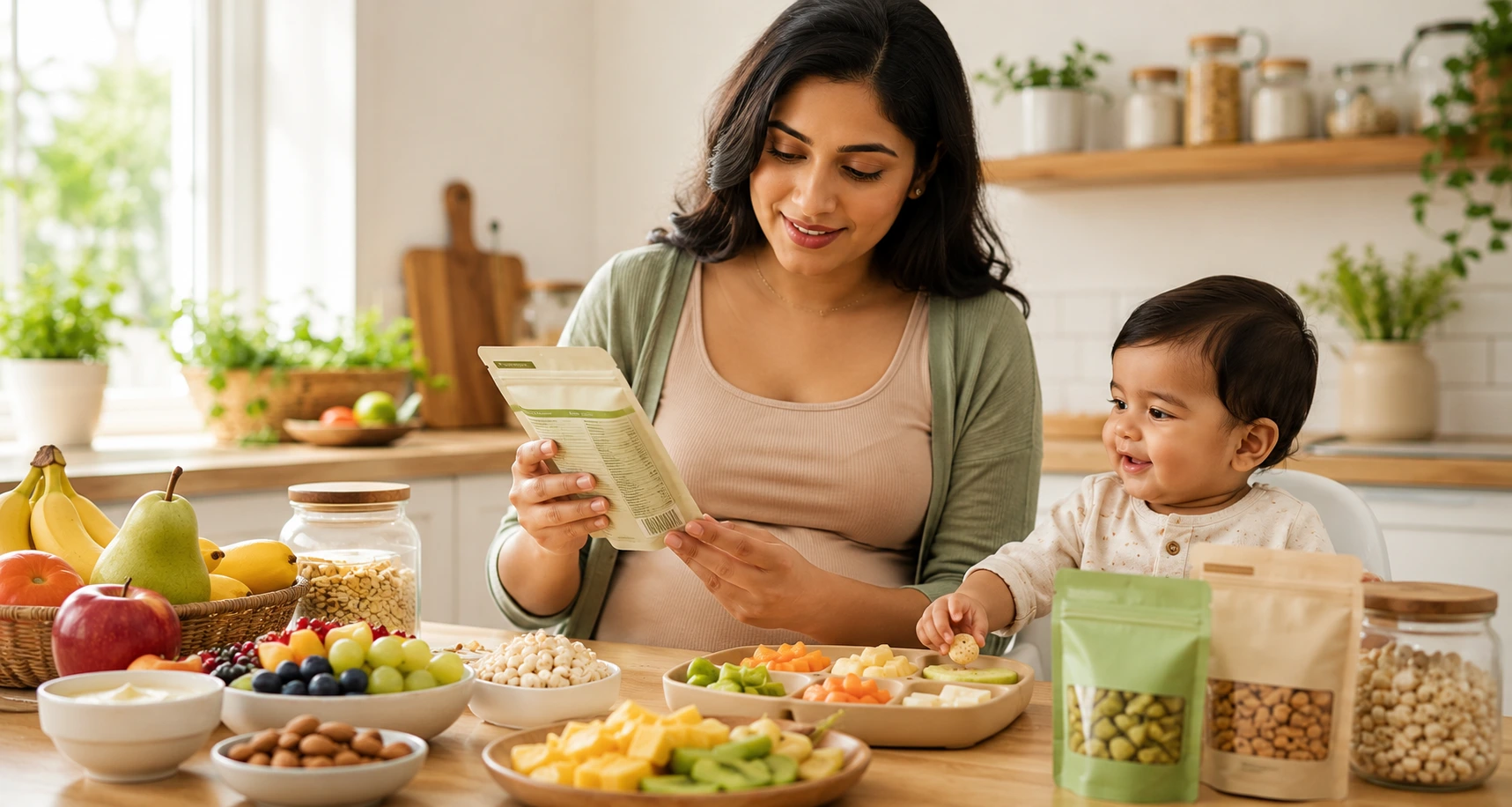
Choosing food for a baby often comes with more questions than answers. Parents today are exposed to countless packaging claims, ingredient lists, and marketing messages that can make feeding decisions feel overwhelming. As a result, many families are actively searching for natural baby food options that align with their values around safety, simplicity, and nutrition.
The growing interest in natural baby food, healthy baby food, and baby nutrition reflects a broader shift toward ingredient awareness and informed parenting. Whether preparing homemade meals or selecting packaged products, parents want confidence that they are making thoughtful choices for their children.
Understanding what “natural” actually means, how to interpret labels, and what ingredients deserve closer attention can help families navigate the world of infant feeding more confidently.
Why “Natural” Food Matters to Parents
Parents are not simply choosing food products. They are choosing trust, reassurance, and confidence in the decisions they make for their babies.
Many families are increasingly concerned about:
- Ingredient transparency
- Food processing methods
- Artificial additives
- Long ingredient lists
- Feeding confidence during early childhood
For first-time mothers especially, questions about baby nutrition, child nutrition, and healthy nutrition for kids can feel overwhelming.
Parent Scenario
A mother shopping for her six-month-old may compare two products that appear similar. One contains a short ingredient list with recognizable foods, while the other contains multiple additives and unfamiliar ingredients. In many cases, parents naturally gravitate toward options that feel simpler and easier to understand.
This growing preference has contributed to demand for healthy baby food, clean ingredient baby food, and preservative free baby food.
What Counts as Natural Baby Food?
One of the biggest misconceptions is that the term “natural” has a universal definition.
Quick Answer
Generally, natural baby food refers to products that emphasize simple ingredients, minimal processing, and ingredient transparency. However, parents should always review labels rather than relying solely on front-of-pack claims.
Characteristics Often Associated With Natural Baby Food
| Feature | What Parents Often Look For |
| Short ingredient lists | Easier understanding |
| Recognizable ingredients | Greater transparency |
| Minimal processing | Simpler formulations |
| Clear labeling | Better decision-making |
Examples may include:
- Pure fruit or vegetable purees
- Simple grain-based foods
- Homemade preparations
- Carefully selected healthy packaged food
- Certain forms of preservative free baby food
The key is understanding the complete product, not just the marketing language.
Common Misleading Claims on Food Packaging
Food packaging often includes terms that sound reassuring but may not tell the full story.
Marketing Claims vs Reality
| Packaging Claim | What Parents Should Check |
| Natural | Review full ingredient list |
| Premium | Examine nutritional information |
| Healthy | Check ingredients and serving sizes |
| Made with real fruit | Verify actual fruit content |
| No added preservatives | Review complete formulation |
Quick Label Rule
The front of the package is marketing.
The back of the package provides information.
Parents seeking trusted baby food brands India often focus more on ingredient transparency than marketing claims.
Understanding Ingredient Labels Better
Reading labels does not need to be complicated.
Simple Label Reading Checklist
Before buying a product, ask:
- Can I understand most ingredients?
- Is the ingredient list easy to follow?
- Is nutrition information clearly displayed?
- Does the product fit my baby’s feeding stage?
- Does it support overall baby nutrition goals?
Label Reading Example
| Easier to Understand | Requires Closer Review |
| Simple ingredient lists | Long ingredient lists |
| Familiar food ingredients | Multiple additives |
| Clear nutrition details | Limited information |
Many parents today prefer clean ingredient baby food because it simplifies the decision-making process.
Natural vs Highly Processed Baby Foods
Not all processed foods are automatically poor choices, and not all natural foods are automatically better.
The goal is understanding the overall nutritional profile.
Comparison Table
| Natural-Focused Options | Highly Processed Options |
| Simpler formulations | Complex ingredient lists |
| Ingredient transparency | Less clarity |
| Easy-to-understand labels | Difficult-to-understand labels |
| Focus on food ingredients | Multiple additives |
Parent Insight
Many families balance homemade meals with carefully selected packaged products depending on their schedules and lifestyle needs.
This approach can support both convenience and healthy nutrition for kids.
How Parents Can Make Safer Food Choices
Making informed decisions becomes easier when parents focus on a few practical principles.
Practical Shopping Checklist
Choose products that offer:
- Clear ingredient information
- Transparent nutritional labeling
- Age-appropriate feeding guidance
- Reputable manufacturing standards
- Appropriate serving recommendations
Many parents now seek healthy packaged food, healthy snacks for babies, and healthy packaged foods for babies that fit these criteria.
Grocery Store Decision Framework
- Read ingredients first
- Review nutrition information
- Check serving sizes
- Compare alternatives
- Select the option that aligns with your family’s needs
Clean Eating for Babies Simplified
The concept of clean eating for babies does not need to be complicated.
What Clean Eating Often Means
For many families, clean eating focuses on:
- Ingredient transparency
- Balanced nutrition
- Food variety
- Age-appropriate feeding
- Consistent eating habits
This is where concepts such as clean label food, clean ingredient baby food, and healthy baby food become relevant.
Practical Examples
| Feeding Situation | Practical Option |
| At home | Freshly prepared foods |
| Travel | Carefully selected packaged foods |
| Daycare | Simple nutrient-focused meals |
| Family outings | Portable feeding options |
Some parents choose softer, preservative-free packaged snack options for convenience during travel and outings.
Brands such as Tiny Tums reflect the growing demand for ingredient transparency, preservative-free nutrition, and parent reassurance within modern child nutrition choices.
Building Long-Term Healthy Food Habits
Early food experiences can help shape lifelong eating behaviors.
Healthy Habit Checklist
- Offer food variety regularly
- Introduce new foods gradually
- Focus on consistency rather than perfection
- Encourage positive mealtime experiences
- Model balanced eating habits
Parent Example
A toddler may reject a new food several times before becoming comfortable with it. Repeated gentle exposure often works better than pressure.
Supporting healthy eating habits for kids, healthy food habits for children, and overall nutrition for growing children starts with patience and consistency.
Many families now prioritize simpler ingredient lists and minimally processed baby nutrition options because they provide greater confidence during feeding decisions.
References
World Health Organization (WHO) – Infant and Young Child Feeding
https://www.who.int/news-room/fact-sheets/detail/infant-and-young-child-feeding
UNICEF – Feeding Your Baby: The First Two Years
https://www.unicef.org/parenting/food-nutrition
FAQs
What is natural baby food?
Natural baby food generally refers to foods made with simple ingredients, minimal processing, and transparent labeling. Parents should always review ingredient lists rather than relying solely on marketing claims.
Are natural baby foods healthier?
Not necessarily. The overall nutritional quality, ingredient profile, and suitability for a baby’s age are more important than a single marketing term.
How do parents identify clean ingredient foods?
Parents can review ingredient lists, nutrition labels, and product transparency to identify clean ingredient baby food options that align with their feeding preferences.
What additives should parents avoid?
Parents concerned about additives should carefully review labels, seek clear ingredient information, and consult healthcare professionals when they have questions about specific ingredients.